In April a few of my students and I had a fantastic trip to Okinawa and Japan. It is always tempting to find (create) a theme for a trip like this, especially when it went so well. I am not sure it really all fits, but, probably to no one’s surprise, the one that came up for me was friendship and connection.
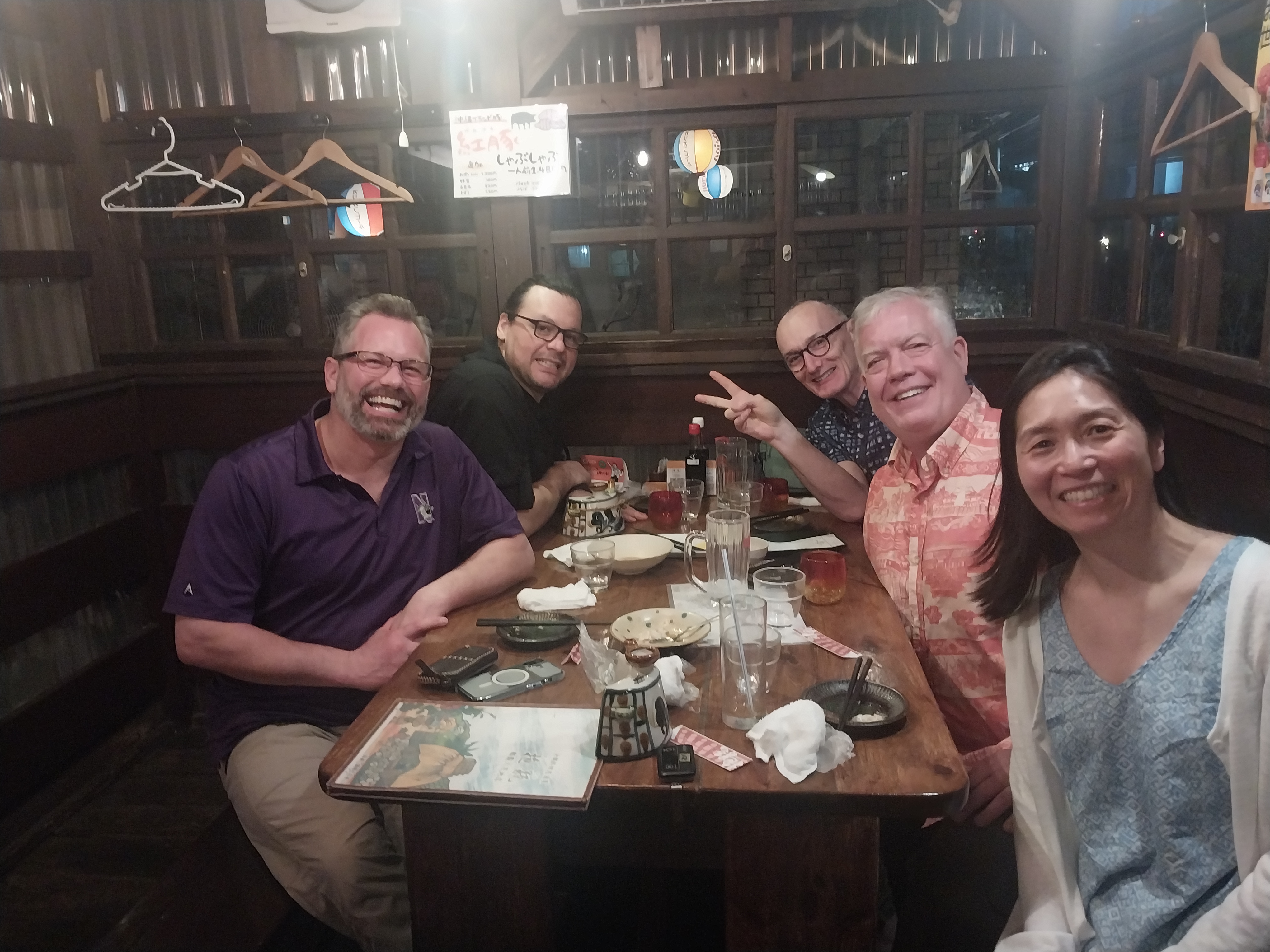
Of course it was good to travel with friends. If I couldn’t consider them friends as well as students after this amount of time I would be pretty disappointed, and sharing this experience was good fun. But it was more than that. First, my old friend Mario McKenna took the time and effort to join us for the Okinawa part of the trip. It was great to see him, train together, and just hang out. Mario is both a wonderful guy and a fantastic martial artist and it made the trip that much better sharing it with him. Of course his insights on our training, but even more to just hang out, share some meals, awamori, and good conversation made a good time special. Looking forward to next time!
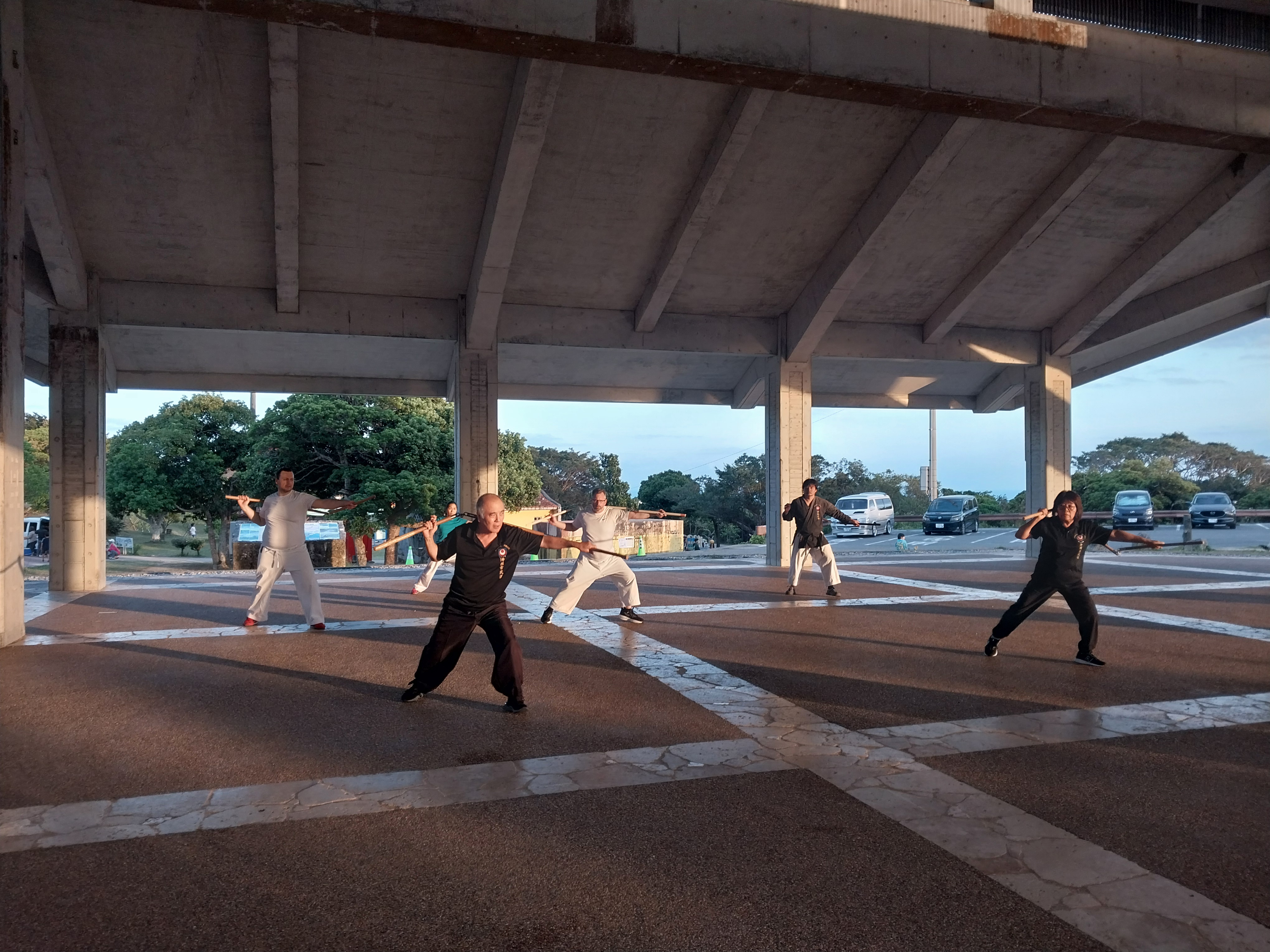
And second, I got to connect with friends in Japan and Okinawa. Many are my teachers but again after this much time if I didn’t also consider them friends I don’t think I’d be as excited to come back. Ishiki sensei and his family are lovely people. I don’t think I know anyone who has more fun training than he does, or who has thought as clearly about his practice and how it fits into his life and his community. Training is a blast, but the conversations around it are almost
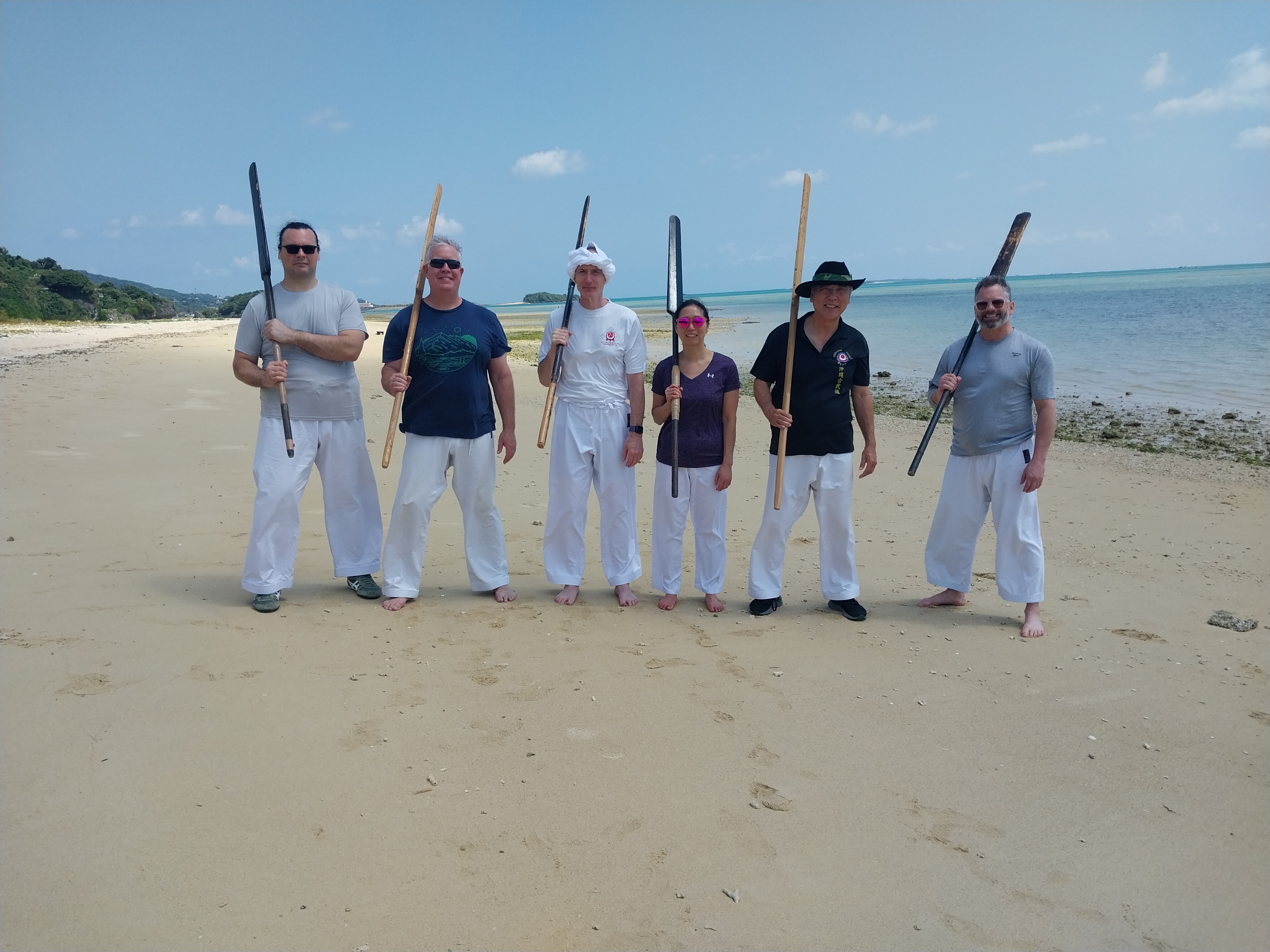
more fun and I always look forward to seeing him. I also got to see and train with Gibo Seki sensei and Shinjo Tadashi sensei which is always good. Gibo sensei in particular has been generous with me since the 90s and I’m glad he is still doing well.
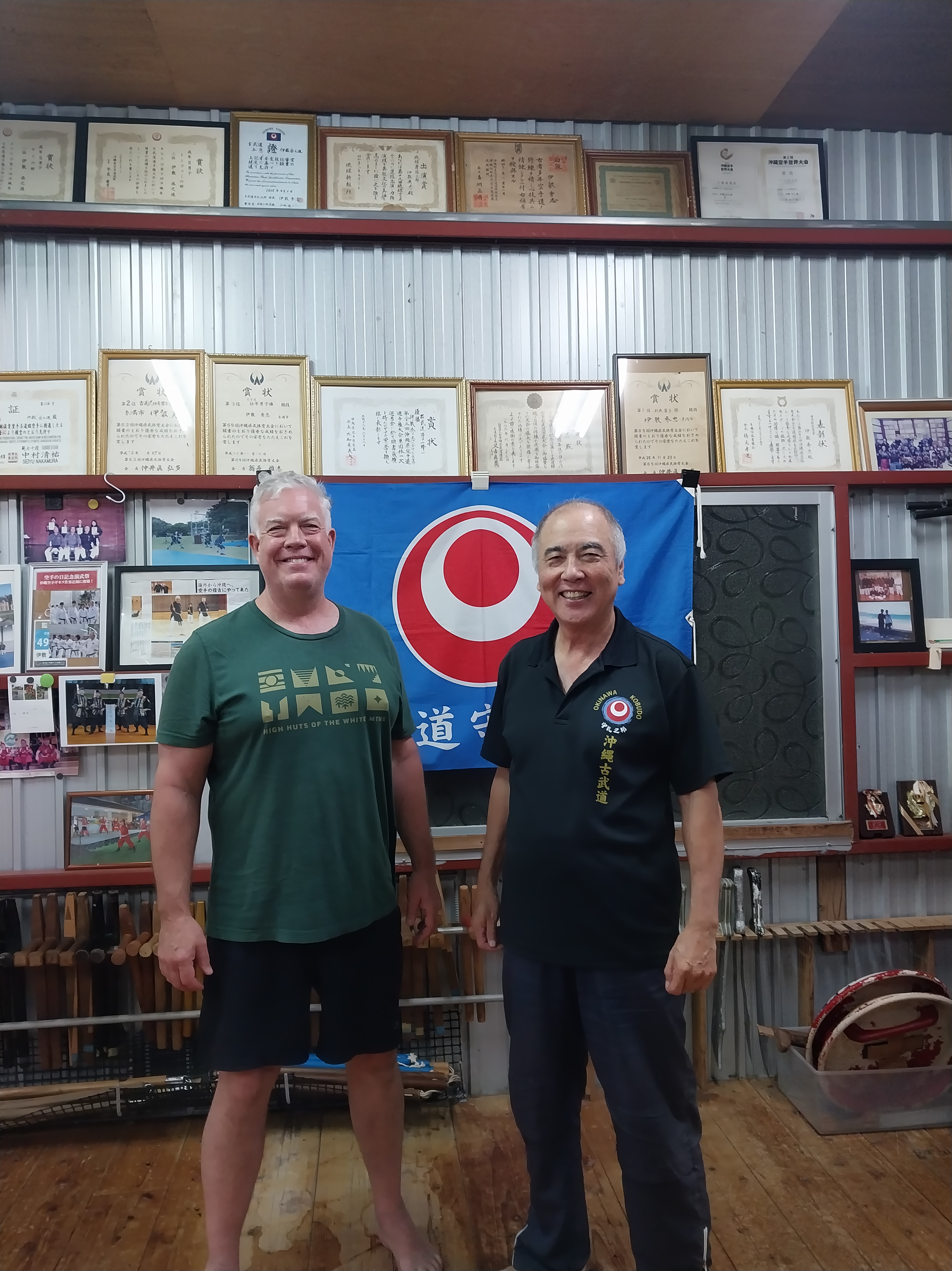
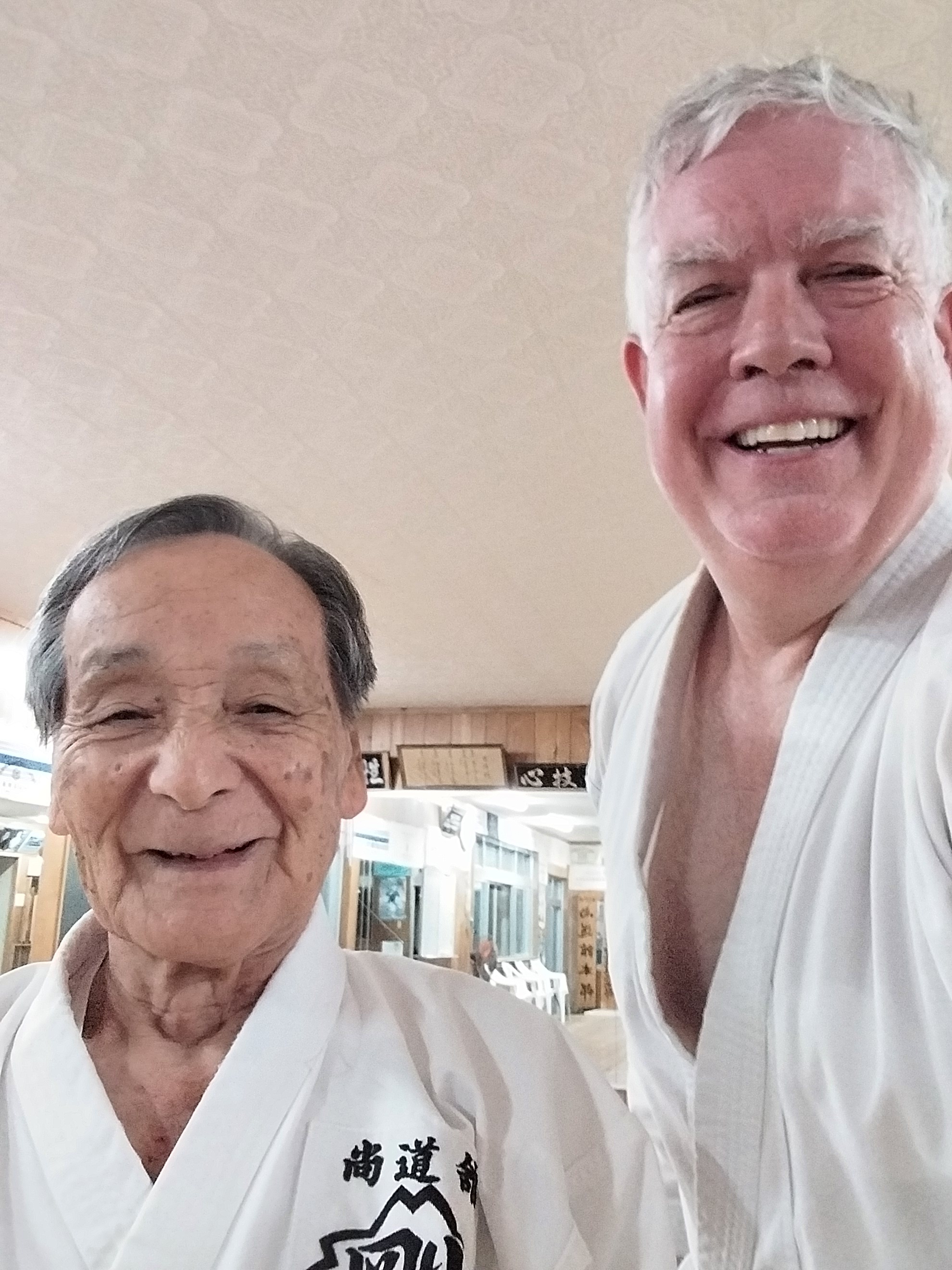
I first me them both in 1990, and while we’ve all gotten a little older the spirit is still the same!
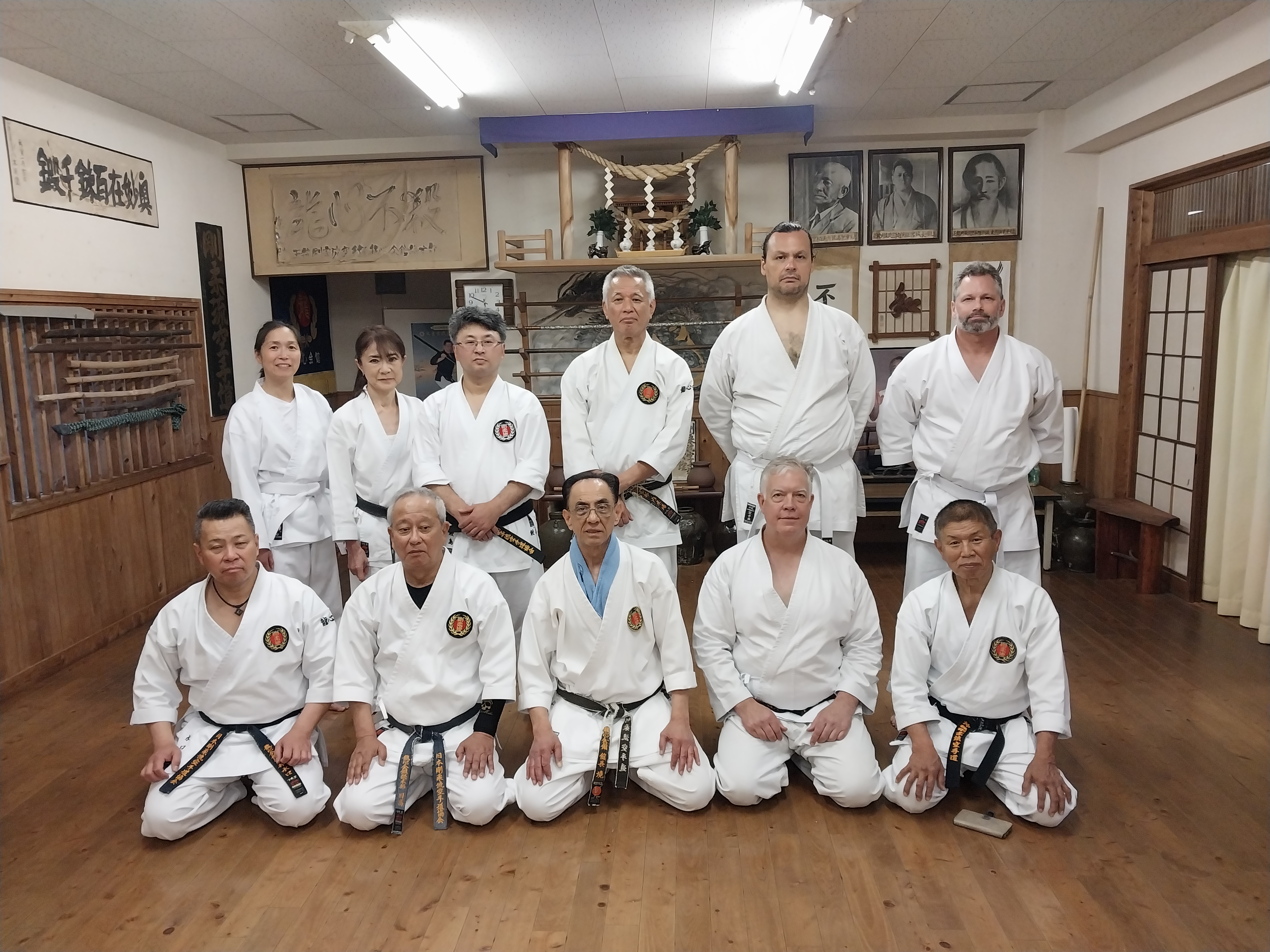
In Kagoshima it was great to see Sakai sensei, Miyagi sensei, and folks like Uchikoba san and Misoguchi san, who I first trained with in the 90s. We had some good training, and some laughs, some food and shochu, and shared a few memories, like testing for nidan with Uchikoba san so many years ago.
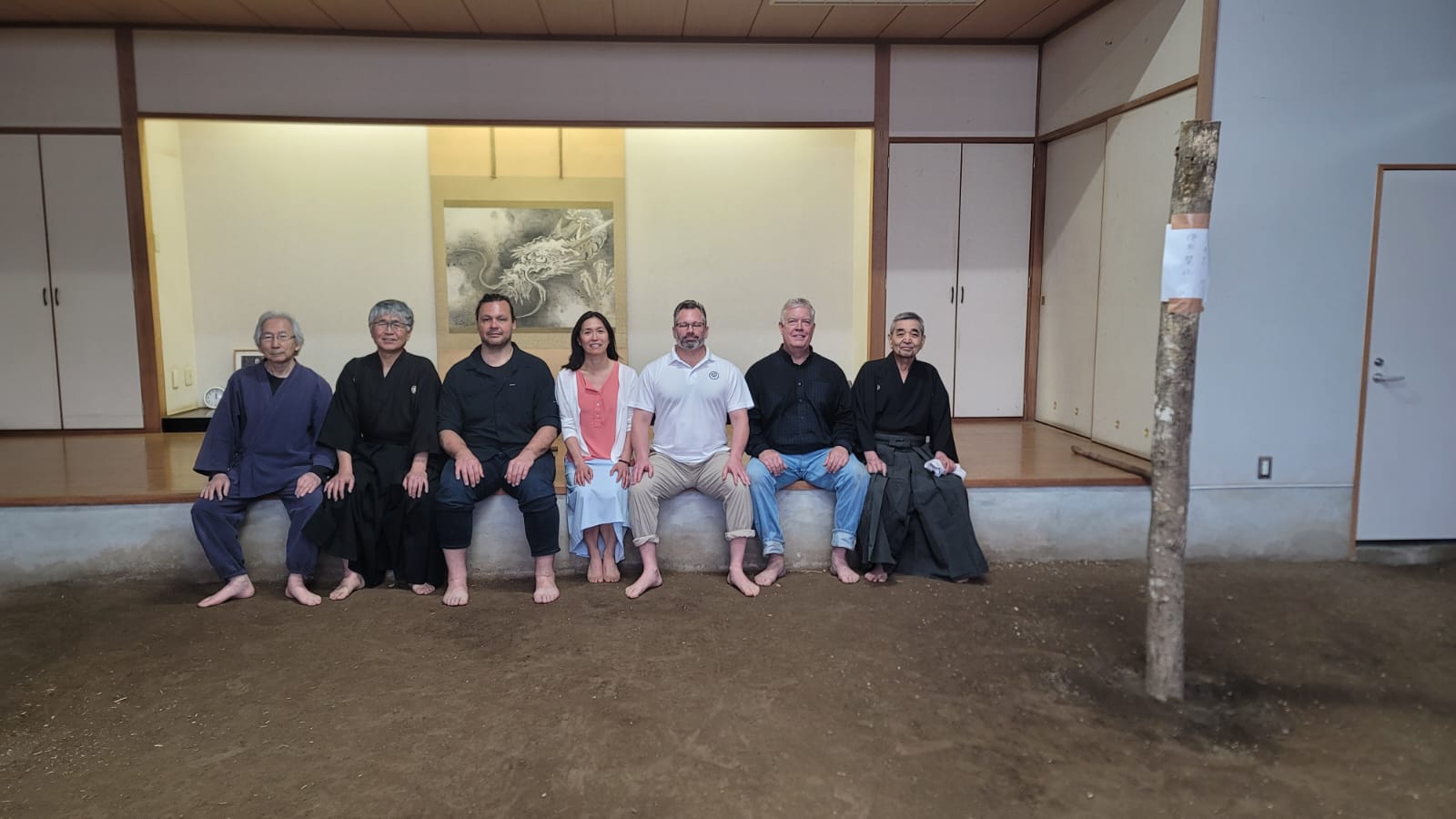
I also got to connect with Shirasaka san at the Jigen Ryu, who has been a friend and teacher since the 90s, as well as with Arimura san (the other living menkyo kaidan), and Alex Bradshaw. It always good to see them, train together, and share conversation and a meal. Wonderful people and one of the few regrets I have in the arts is that I wasn’t able to continue to train there, though it is great to practice and reconnect when I visit. Alex was kind enough to share some of the connections he’s made through the years working, living, and developing his business in Kagoshima, allowing us some wonderful experiences. We also got to spend some time talking about Kagoshima, tradition, preservation, and the future of these arts, as well as their practice. Doing so with someone so thoughtful and involved in their promotion and preservation is always full of insights. I look forward to seeing him again, he’s a great guy and the dojo is as lucky to have him as he is to be a part of it.
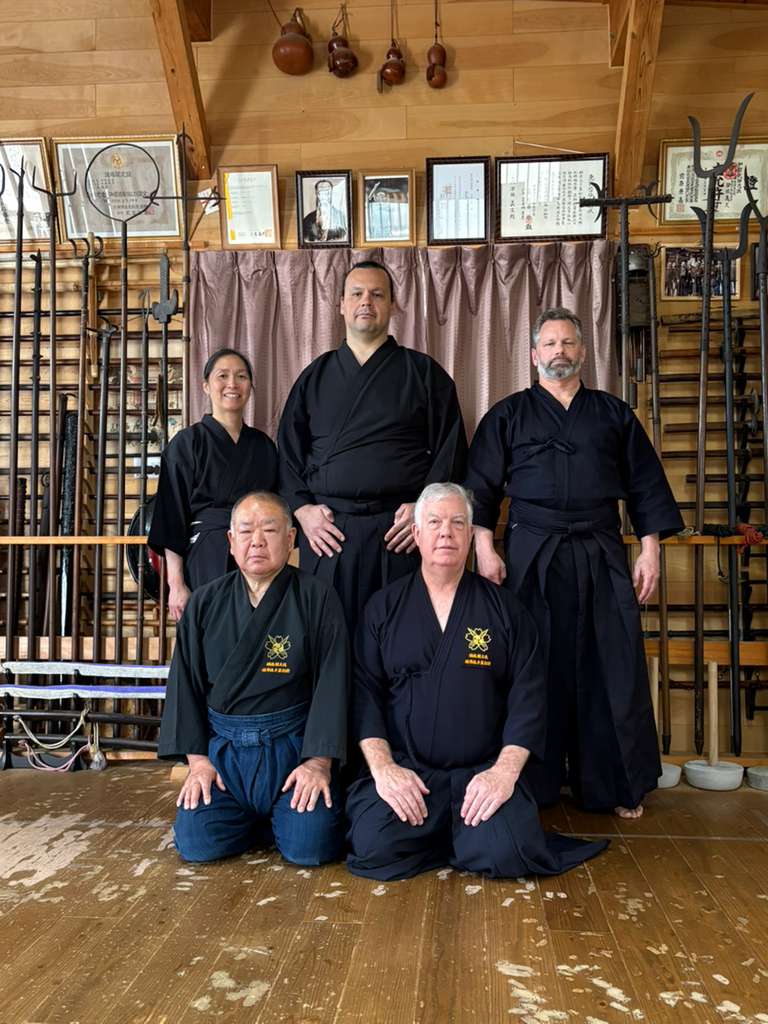
I then got together with Joe Swift. We got to see more of his practice, to reminisce, hear about his research, and have a few laughs. Another person who has thought long and deeply about the arts, their traditions, and his own practice, and I always learn something when we get together. I sometimes miss our kenkyukai days but regardless I’ll look forward to next time. Finally, our last stop was with Hayasaka Yoshifumi. It has been really nice to get to know him and his wife over the last 7 years or so (with a pandemic hiatus) which seems a short amount of time but isn’t really! He is a fascinating guy, one of the few Japanese instructors I’ve met that is as interested in the history and development of our arts as the somewhat obsessed foreigners I know are! He has been very generous with his instruction, and has a quirky sense of humor. Training was fun, conversation about the history of Okinawan martial arts and the interconnectedness of them and the mainland arts was good, and having a few laughs and doing some hanami was a lovely way to complete the trip.
However, while it was fantastic to connect to these folks who mean so much to me, in many ways the real highlight of the trip was to be able to make some connections between the people I share my practice with on a weekly basis and some of the people who have helped shape that practice but whom I don’t get to see often. Ishiki, Gibo, Mario, Sakai, Miyagi, Shirasaka, Joe and Hayasaka have shared so much over the years. Not just training, but thoughts, laughs, meals and so on. The same goes for Jovan, Benita, and Chip. Having them in the same spaces, sharing and working together, enjoying the arts we practice, was just great. They all share something in common- a curiosity and eagerness for our practice, and a respect for anyone who is working to develop themselves in it. Vignettes of the trip for me include Ishiki asking Mario to elaborate a little on a section of Yara no kon, Miyagi working on the wooden dummy with Benita and Jovan, Benita’s kiai in the Jigen Ryu dojo and Shirasaka’s smile, Chip convincing Hayasaka sensei to keep pulling out various weapons in his dojo, like the blowgun, Gibo correcting Jovan’s stance, us all doing the kani dance in Ishiki’s dojo, the laughs as I landed a set of shuriken and Hayasaka joked I’d saved face since I was last, and many more.
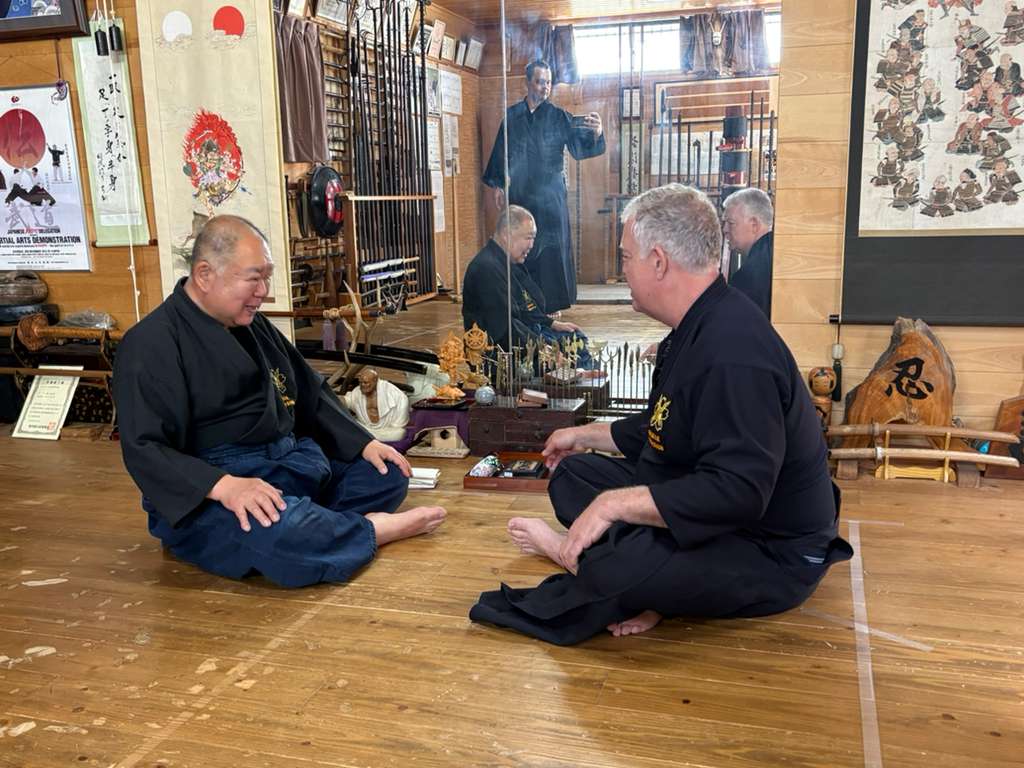
We train in a continuum. Seniors passing knowledge to juniors, teachers to students. If you believe there is real knowledge held in these arts, maintaining connection to this continuum is fundamental. Especially internationally it is easy to have breaks in the communication, in the connection between layers of the continuum. Being in the Jigen Ryu dojo always reminds me of this. Over 400 years in the same area. No branch or satellite dojo. This is one side of the coin- consistency, connection, and embeddedness. That helps maintain the tradition in a way that far-flung groups simply cannot. But while less immediate connections can be tenuous at times, that lack of immediacy can also create an urgency that constant contact can suppress. The trip had an element of that for me.
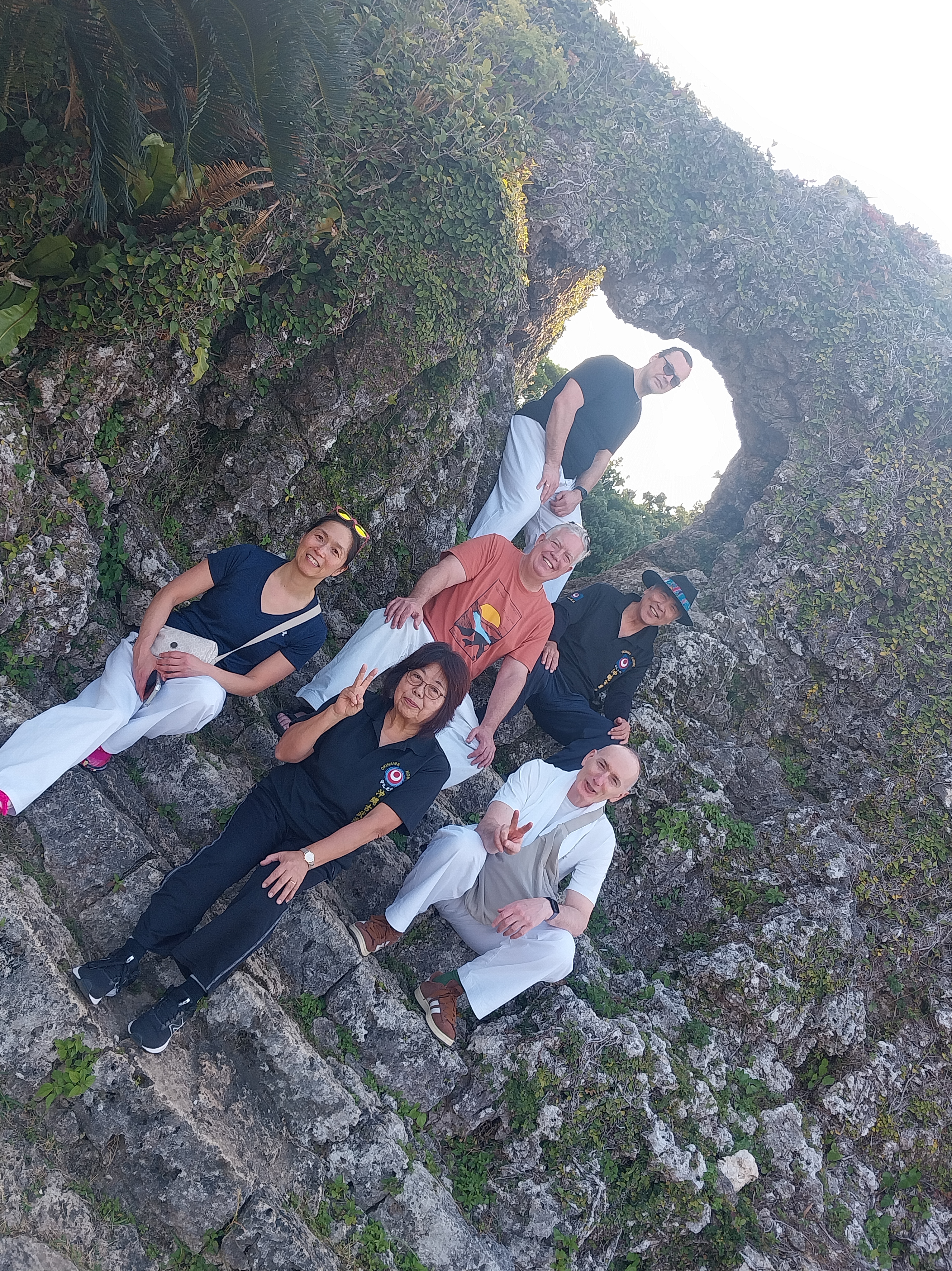
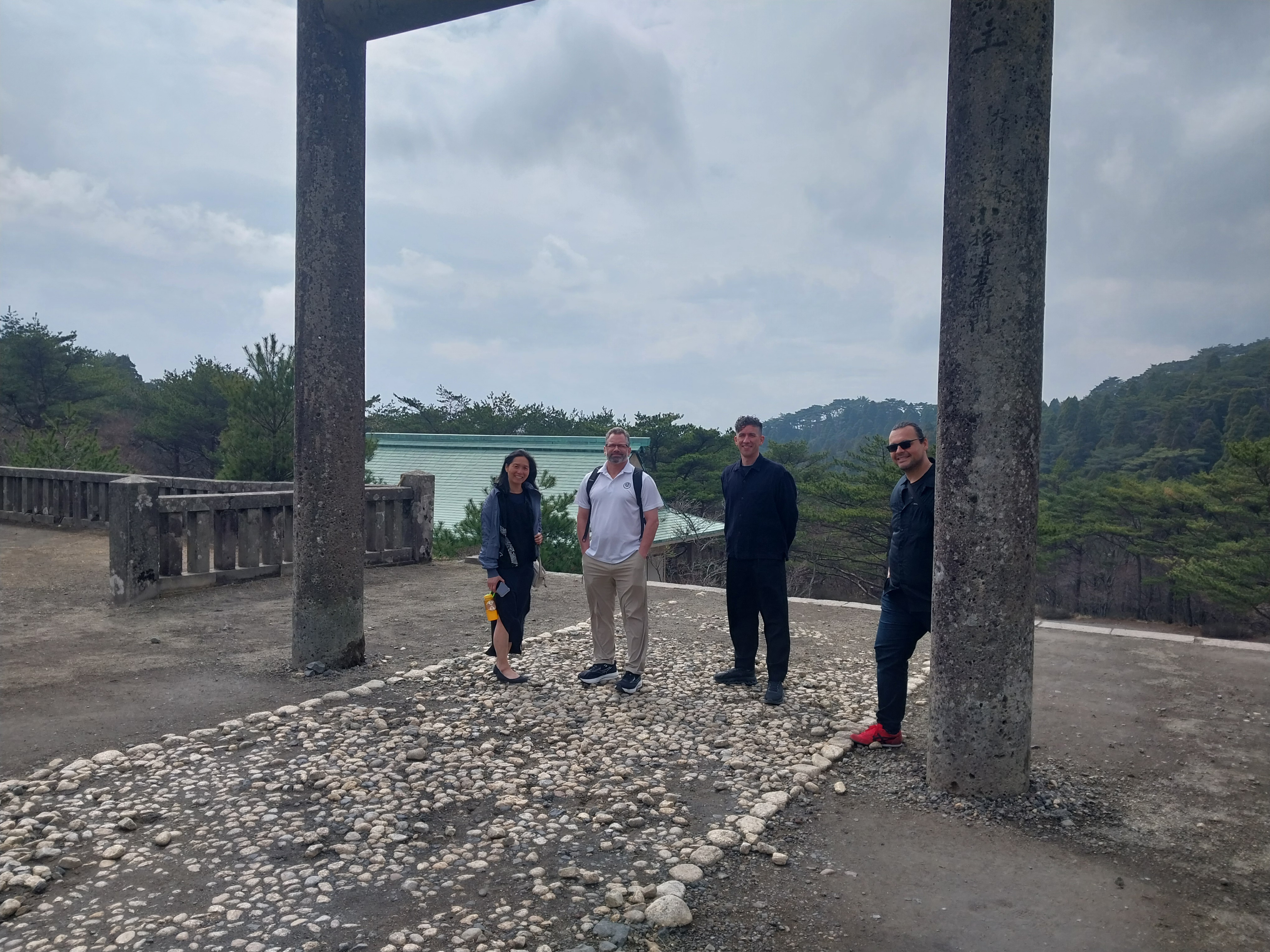
I know I’ll be back to see friends and train together again, hopefully before too long. But I don’t know if my students will. And that’s ok. I am glad however that I am able to give them some connection to the names and places I talk about in the dojo, to our shared legacy. I hope this gives them some insight into our practice and it’s ecosystem. I was happy to hear lessons I have tried to impart re-iterated and expanded upon, lessons they will hopefully take to heart. Watching them intently follow movement and do their best to follow my teachers’ comments or my translation, shows me they were paying attention. I hope though that the experience was more than technical and gives them some connection to the people, my teachers and friends. How people relate in the dojo is, to me, more important than what they are training. Since we got to sweat, laugh, and eat and drink some together, I hope they can see where some of the spirit I try to bring to our practice comes from. Some of the spirit these folks bring to the dojo. And take that with them.
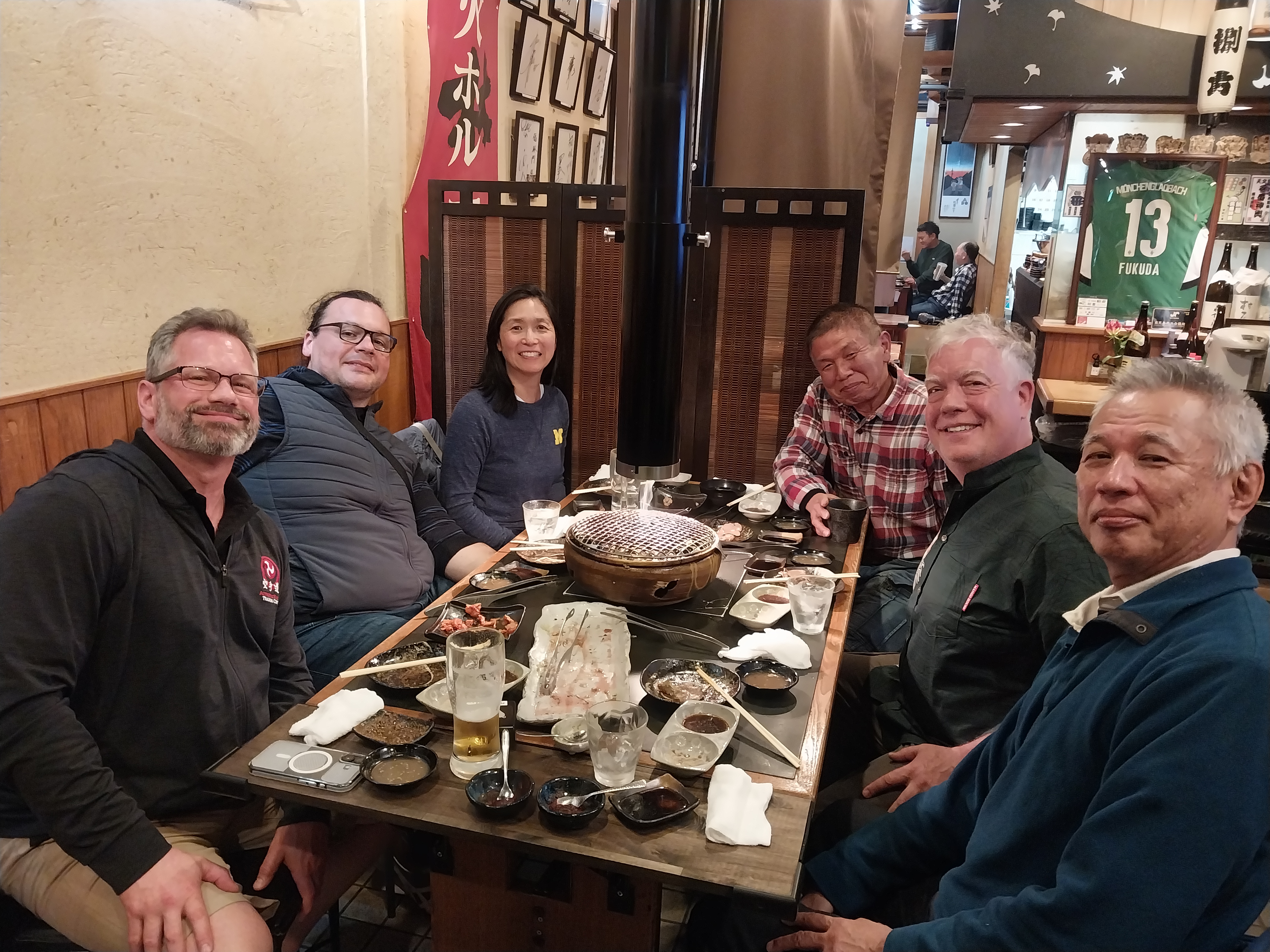
At the same time I’m really happy my friends and teachers could meet and train with my students. That they can see that I am doing my best to pass on our art, and do so with people I am happy to bring into their lives, their dojo. People that share a sense of respect for others as well as the art, that work hard, have a sense of humor, and are willing in turn to share what they know. That connection goes both ways. In the dojo my students’ actions embody the ethos of our practice. They demonstrated respect and deference but not obeisance, an ability to work and adapt, a sense of humor, and of course their training to this point. My teachers and friends sharing that connection I hope helps broaden their own practice. Perhaps it adds a layer to the connection we have as well. I got a few stories from earlier visits with students, Tania and Corey in particular, and I believe these short visits can work both ways to strengthen these bonds, that much as my students have an opportunity to broaden their perspective my teachers and friends can also see their community as larger than the dojo around them. And for me being able to bring that together is very rewarding.
Martial arts are a connected practice. They can’t exist without at the very least 2 people. The connections we make through the practice first enable us to practice at all. We need access to the knowledge that is passed down in these arts and that only comes through other people. But for me that is the start. On a strictly technical level if your teacher doesn’t like you it is unlikely that you will get his or her best instruction, so developing good relationships is paramount to developing good training. But on a more general, human, level the only real point of any of this is being a better person and member of society and developing good relationships is the key to that. And in the end, it is the best bit.
 Kodokan Boston