Medatsu

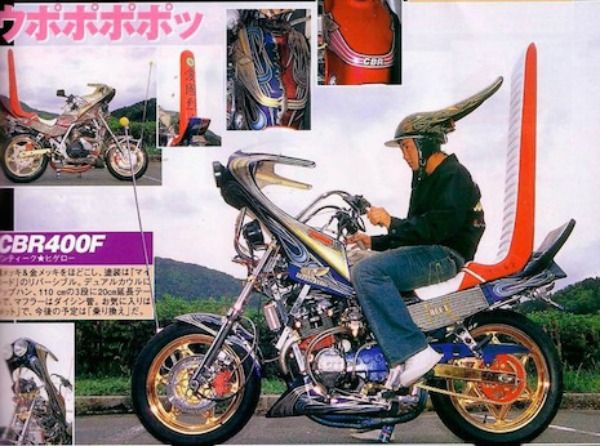
There is a term in Japanese, Medatsu (目立つ). It is usually translated as “to be conspicuous, to stand out”. But that is not actually a very good translation. In English to stand out is a good thing. It connotes people taking notice of your positive attributes. Standing “head and shoulders above the rest” is something to aspire to. But in Okinawa and Japan a well known saying goes “the nail that stands up gets hammered down.” In other words, deliberately standing out means that instead of respecting you people will feel you need to be taught how to be a better member of society. When I first came across the word medatsu it was in reference to the bosozoku, groups of teen motorcycle riders in Japanese cities. They ride about making lots of noise, acting “bad”, and drawing lots of attention to themselves. They certainly stand out, but not in a good way. Their antics are juvenile, and rude. Being a nuisance is not the same as being noticed. Medatsu implies that you are drawing attention to yourself for no good reason. You are, in essence, acting the fool.

1433161748-1

Awesome.

There is not actually a good equivalent verb in English, at least not one I can think of. But especially in the martial arts we really could use one. Getting attention is not a bad thing. If your efforts are recognized  there Is no reason not to feel some pride at being noticed for them. But drawing attention to yourself, insisting you get noticed whether you deserve it or not, runs contrary to both what I think the essence of budo is and my sense of what is in good taste.

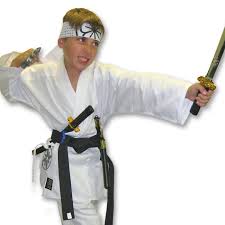
For me, multi-colored gi, patches saying Master, Black Belt, and so on, and the screaming announcement of whatever you are doing to the entire group are just medatsu. Constantly making sure everyone knows your rank is medatsu. Wearing your obi over a tshirt is medatsu. (And a pet peeve!) Using grammatically and culturally incorrect titles like hanshi, soke, or shihan is medatsu. Reminding everyone you meet who you have trained with and the awards you have won is medatsu. Jumping up and down and shouting when you overcome an opponent or succeed in a grading is medatsu. These things are not budo they are showmanship. They look foolish.

hqdefault

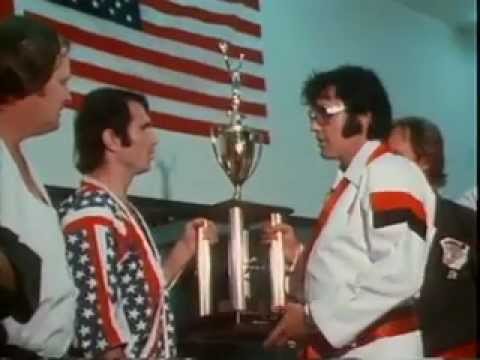
Martial arts or showmanship. You decide. (Either way, Elvis is cool.)

To me they speak of insecurity, and of a desire to be noticed doing instead of a desire to do. It is better to come to the dojo and train, day in and out, and never be noticed than to spend your time attempting to draw attention to yourself. At least I think so. It certainly speaks to a more secure and tempered life. So for my two cents I would suggest you avoid medatsu. You might not get much recognition, but you won’t look like a fool.

Haute Couture

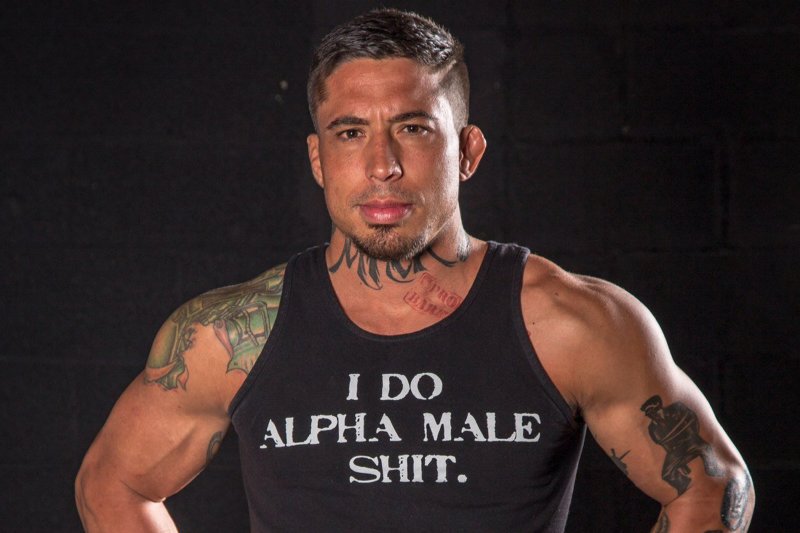
Do you wear a traditional keiko gi to training? When I started training that question would have seemed absurd; of course all traditional karate-ka wore a gi. But these days things are different. The current trend, dare I use the term “fashion”, is for “real” karate-ka to leave the keiko gi behind and train in tshirts, shorts, and other workout clothes. Some note the lack of keiko gi in pre-WWII training and suggest that they are harkening back to an earlier time. Some say they want to train in clothes that more closely approximate what they would wear on “the street”. Some say it is more comfortable and does not inhibit movement. And some note it is less expensive. While these reasons are all good I can’t help but think that part of it is also that the most visible martial artists today, MMA folks, train in workout clothes. It could just be they are setting the unconscious cultural standard for tough guy attire, and the keiko gi, as seen in strip mall dojo across the land, seems more like clothes for children, not for real adults really working out.

47098313.cached

Is the choice really this,

images (4)

or this?

We usually train in keiko gi in my dojo. Amusingly enough (to me) I get occasional guff for it. “Oh, you still wear a keikogi? OK.” Don’t get me wrong. We also train in workout clothes, especially when we are out in the park where I feel the keikogi draws unnecessary attention. (Another reason, I know…) And I never wear a keikogi when I am working out alone. That would feel weird. Certain elements of training in workout clothes I really like. I do think they inhibit certain movements less. They are less expensive, and can be more comfortable. Best of all, you don’t need belts with them, and that is a real plus to me. I have seriously considered abandoning at least the gi top and having “official” dojo attire be a tshirt and gi pants. But I have not, at least not yet.

Why? Well, if I showed up to formal training in one of my teachers’ dojo in Okinawa wearing a tshirt it would be considered inappropriate. I think that should mean something to me. It may just be habit, but my teachers are not fools that just blindly follow tradition. It occurs to me there might be reasons for it. Karate is an Okinawan budo, and if we want to follow that path we may want to consider that what can seem like trappings may have a little more content than it at first appears.

IMG_0003

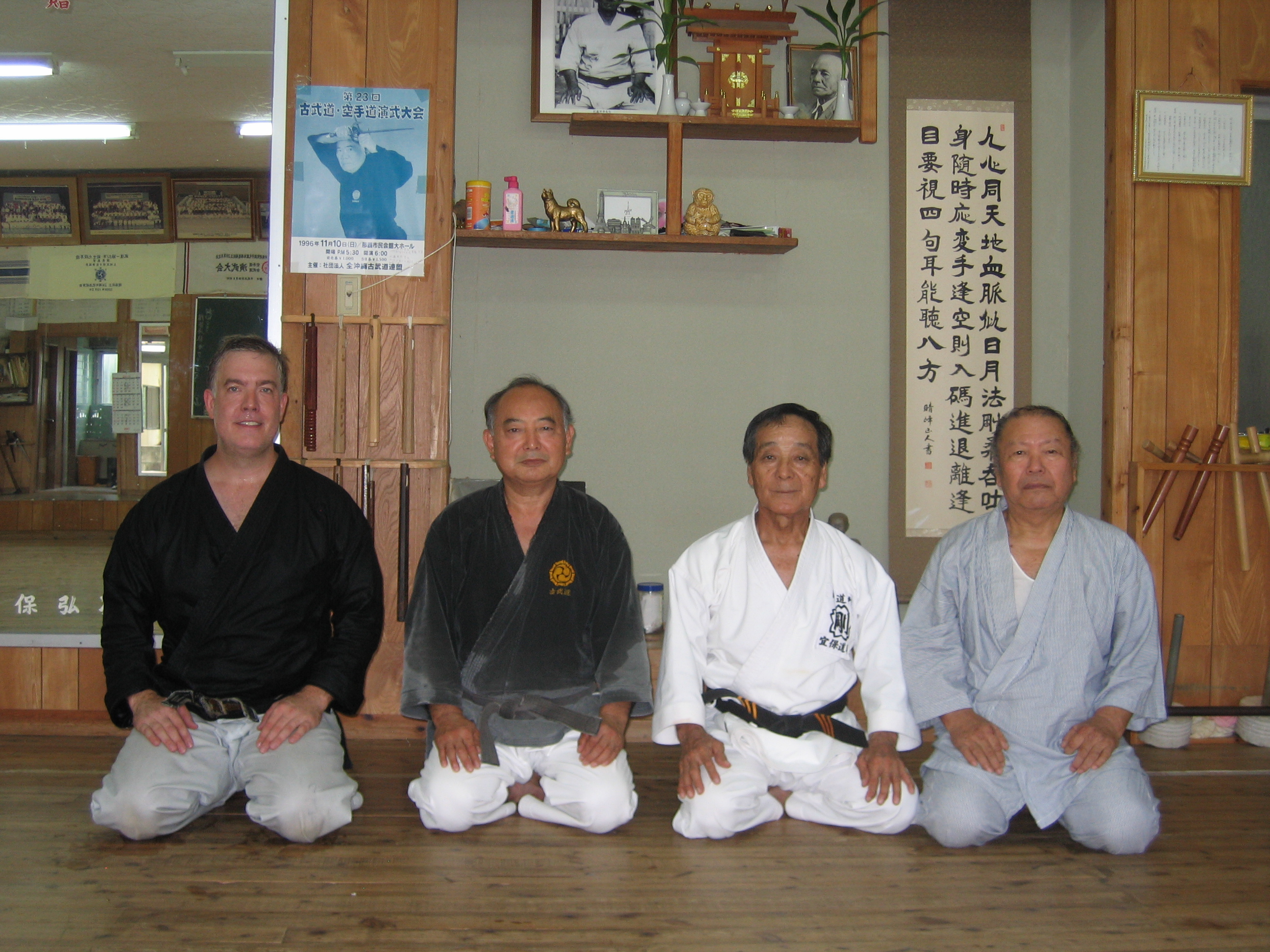
Yogi sensei was just relaxing with us.

So why the keikogi? I think they do a variety of things. First, they are a uniform. Uniform means “all the same.” So when you come to the dojo and put on a keikogi you are symbolically becoming the same as everyone else. For the time of training, just a karate ka, just a member of the dojo. Wearing workout clothes allows for a variety of other symbols- your most recent vacation, how much you can spend on fancy gear, your work, the seminar you alone went to. Even worse, products you endorse, the trivia of our material culture. These symbols can be used to draw attention to yourself as different from everyone else as opposed to yourself as part of the group working together to train. Separation, joining, these things are important. Therefore these symbols can take away from training, on a very subtle level.

The uniform is also a symbolic reference to what you are doing. When you are wearing it you are declaring yourself to be separate from the rest of your daily life. It tells both you and everyone around you that you are engaged in a special and specific activity. That can, I believe, help create a separation from daily life in the dojo. While in uniform work issues, family life, worries, hopes, concerns are all put aside to focus solely on the task at hand. On top of that the austerity of the uniform is a reminder that what you are engaged in is not trivial or for show. Do you need a uniform for that? No, but symbols can have power, especially subconsciously. On some days making the mental shift is difficult and the uniform can help. It can also help others treat you as nothing but a karate ka, to expect you to be in that mode. That in turn can reinforce the role to you.

Finally there actually are some technical benefits. I have torn tshirts completely off people doing grappling or throwing. Keikogi tend to be pretty durable, at least decent ones.

But all in all I just keep coming back to it being part of our martial culture. That may not be a great reason but it is one with some emotional import, at least to me. I also keep thinking about what the keikogi adds instead of what it is taking away. If we ever do change to workout clothes here I would want to keep the symbolic referents of the uniform intact. A simple, austere tshirt with nothing except perhaps a dojo symbol on it. Not too expensive so when they got destroyed they could be easily replaced. Everyone would have to wear it, defining them as members of the dojo engaged in their chosen activity. No mélange of various colors, cuts, and symbols. Just a simple tshirt. A keikogi, really, just in a different shape.

We could lose the belts though, which would be awesome.

P1050301

Paperwork

So paperwork sounds like a strange title for a post on our martial arts doesn’t it? After all, training is about working out, not money, titles, or especially nonsense like paperwork. Right? Yup. But…. The dojo has to pay rent and other bills and to do that dues need to get collected, deposited, and tracked. Schedules need to get organized and communicated. Visits from teachers involve setting a schedule, collecting waivers and fees, etc.. So while it is indeed not about the paperwork that is a bit of a red herring. The paperwork needs to get done to allow training to happen. That makes it a part of training, not something separate.

shutterstock_37190596_crop380w

Most of the martial artists I know train in small dojo. They have deliberately chosen that environment and seem to share a distrust of the trappings around much of our training here In the west. Unfortunately, that seems to bleed into their approach to everything that, to them, feels like the bits around the edges of training. The paperwork. It seems that paying dues, getting sign up forms in, responding to emails, and doing anything that is outside actually showing up at the dojo to work out is somehow tarred with the same brush as multi-colored gi, glowing bo, and “black belt clubs” that take a fee up front and promise you a black belt in 2 years. It is all “that other stuff”.

Speaking from experience, both mine and that of friends who run small dojo, this “too cool for school” approach to administrative tasks is pretty pervasive. At least it is among those who are not doing said paperwork… It is also a pretty shallow approach to being a karateka. What, really, did he just imply that getting paperwork done is important?!? For a karateka?!? Nope, I didn’t imply it. I stated it, unequivocally.

Why? Two reasons, both core values of our art. 1) Shugyo.  2) Reigi.  Got it? OK, I’ll clarify.

Shugyo can be translated a number of ways but in essence it means continuous and arduous daily practice. It means taking the job at hand and getting it done. Not just the parts you like. In fact it kind of implies that the difficult or unpleasant aspects of the practice are where you will get the most value for your efforts. A friend and I were talking about work the other day and I noted that I like having martial artists at work, they just buckle down and go to it. Ahh, shugyo he replied.  This concept is more important than any technique, but if the idea never leaves the dojo, your training is useless, both to you and to society. For self defense, as well as in your daily life, you have to be prepared to deal with whatever comes up, regardless of what you want to happen. That means in training you do the same. You get it done, quickly, cleanly, and without fuss. Paperwork is a part of training, so you just get it done. You take responsibility for yourself. Period. Or you are skipping out on a part of training that is just as important to understanding the real lessons in the dojo as hitting the makiwara.

Reigi means manners or etiquette. Karate begins and ends in courtesy. This means taking care to be polite, be sincere, and be dedicated to the well being of others. It is simply courteous to get paperwork done promptly. Not doing so shows disrespect for the time and effort of those who are doing the administration. In most small non-profit dojo the sensei, or someone assisting him or her free of charge, takes care of any necessary administration, with no recompense except keeping training going. It is their shugyo… Since the dojo are small there is not usually much, but people not taking care of their end of things can make it time consuming. Remember, every time your sensei has to ask for paperwork twice (or regular things like dues at all), send a follow up email because you did not answer, or hunt down your decision on training with a visiting teacher, it takes time. This is time they could be using to train themselves, or to spend time with their family. It is a gift to you and the dojo, given with reigi in mind. Is that gift valuable to you? By not dealing with your administrative tasks promptly you are stealing  it, telling them their time is not worth your respect. That does not sound like courtesy to me.

It is no accident that in the dojo I have belonged to in Japan not getting your paperwork done was definitely a clearer indicator of a bad martial artist than technique. Technique can be developed, bad attitude or poor character will stunt that. Remember, dues and sign up forms, emails and calls are just a part of it. Wash your gi, show up on time, get the soji done, maintain your health insurance, eat well, pay attention to your dojo mates’, friends’, and family’s life events, find ways to thank those who do things for you, take care of yourself. All these are paperwork. Doing them is training!
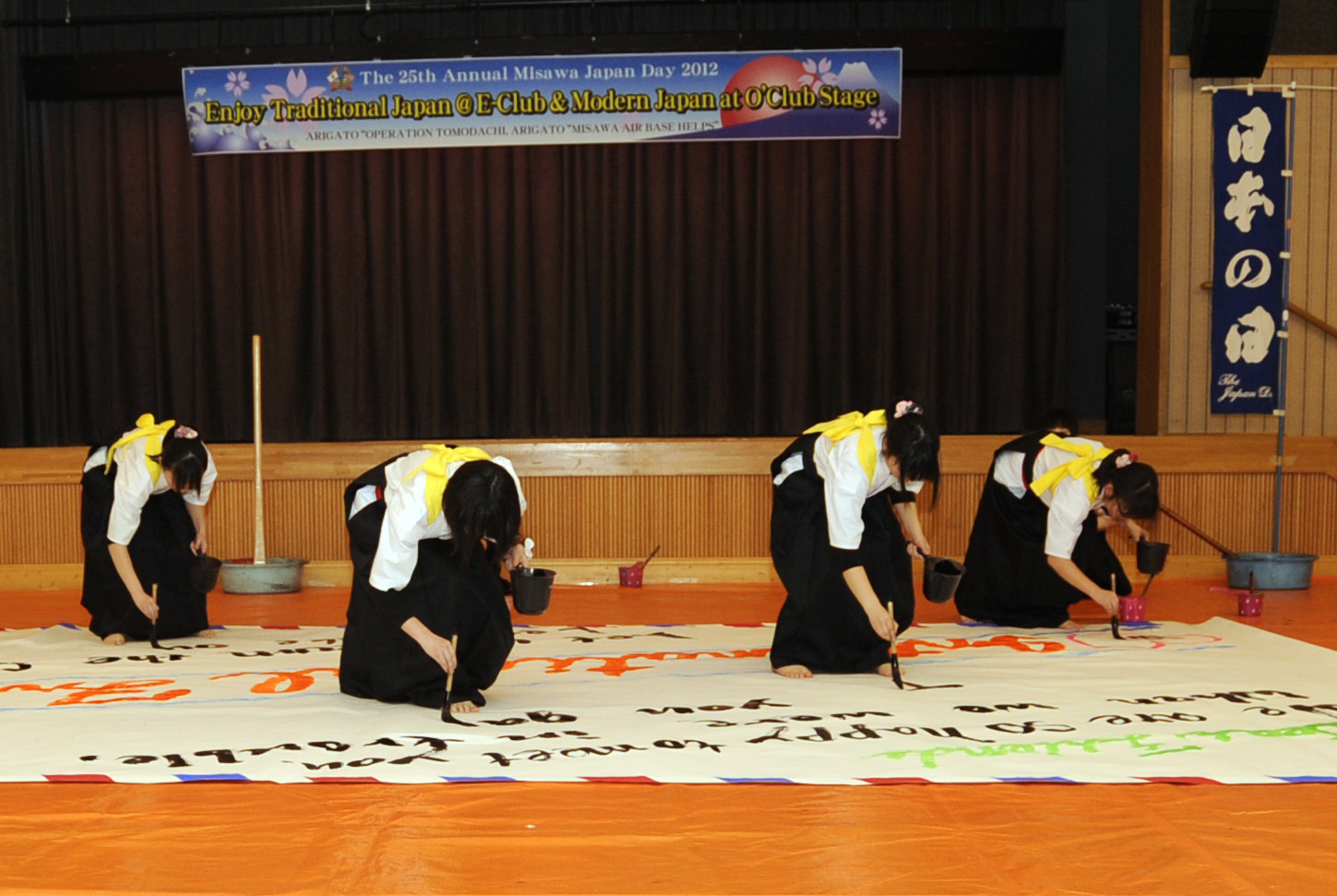
Students from Hachinohe Higashi High School perform a calligraphy dance

I am lucky, I have a great group of students, friends, and dojo mates and in general they get their paperwork done. They train well and take responsibility for themselves and each other, so that does not surprise me. But I think it is important to understand training holistically. If training is just punching and kicking, why do it? If it includes an approach to living, to dealing with both emergencies and daily life, that seems like a much more valuable practice to be a part of.

So think holistically. Maintain your training through all its myriad aspects and treat your sensei and training partners with respect. Train hard, train often. Get your paperwork done.