I know this is a pet peeve of mine, but I am very tired of hearing about people’s “research” into the Okinawan martial arts. Research is about taking an existing body of knowledge and adding to or improving it. It starts with a question, not an answer. But most of what is called “research” is bunk, and much of it is very obviously political, espousing the author’s teacher (or the author) as the “true master” of one system or another or their training methods as the “best” approach. If you can’t speak and read at least Japanese, though preferably Chinese and Uchinaguchi as well, then you are not doing research on the Okinawan martial arts. If nothing else you can’t access the huge volume of extant material in Japanese on the arts. If you do not have extensive background in the culture and history of the area outside of the martial arts then you don’t have appropriate context to do research. If you don’t understand modern research methods for conducting and examining oral history, for example, you are just reporting gossip, not doing research. No matter how well-meaning or high-ranked the source is, or how “logical” and well thought through the conclusions are, research requires cross-checking information, looking at it in the light of various social, political, and personal perspectives and biases, and then re-assessing it.

That is not to say that many different approaches are not valuable. Passing on information from one’s teachers is valuable and informative. Describing your, or your system’s, training methods is also useful and interesting. But on its own none of it has the proper methodology, background, or rigor to be considered research. Perhaps it is just a question of terminology, but I think it is important to be clear about what one is doing. Call things what they are- opinion, gossip, experimentation, description, all of these are valuable contributions (yes, even gossip, if it is from the right people!) to any body of knowledge. Without them things stagnate. But doing research into the Okinawan arts without proper training is like researching bluegrass without being able to speak English, not understanding how bluegrass relates to other musical styles, not understanding general Western musical theory, not understanding the history of the region and the immigrants that came there and brought their music with them, not living there and experiencing the music and culture in its native environment, and not having a solid background in, say, ethnomusicology so you don’t repeat work that has already been done and don’t make simple methodological mistakes that some training could avoid.
This is, I admit, a lot to ask. Having the background to do peer-accepted research in most social sciences, anthropology for example, takes upwards of 5-10 years of full time study, including learning multiple languages, years of background study, and doing targeted fieldwork. For something like the martial arts that would be on top of time training. But that is what it takes in, say, modern dance, to be considered a real researcher. Why should the martial arts ask any less of themselves? Isn’t the idea of 文武両道 (bun-bu ryodo- the way of study and martial practice) exactly this, putting as much effort into your academic study as your martial study? Aren’t we supposed to be about pushing ourselves, being honest with ourselves, and not accepting second best? The easy stuff has been done. Simple histories, descriptions of styles, and so on are a dime a dozen. The arts deserve more.

In particular we need work that leaves behind self-aggrandizement and political agenda. It should ask questions and let the work find the answers instead of starting with them and working backwards. But if you do want to espouse a particular idea, say that your teacher is the “true” heir of the system even though there are other claimants, then prove it. Your research needs to examine your teacher’s claim in light of appropriate social mores, requires multiple sources for collaboration, must take into account different claims and demonstrate why they are inferior (if they actually are), and must examine the stake your teacher and his students have in this claim and how that may have affected it. Information should be gathered in source languages and examined using appropriate methods. It should also be well written and well organized, with proper citations. Finally it would need to be peer-reviewed, by people who are not in your lineage, for accuracy and bias. Then it could be considered research, and perhaps even be accurate. If there was more work like this about the Okinawan martial arts then this research might help us all move the arts forward. And if more started with questions instead of answers we might actually be keeping to the ideal of 文武両道. That would be a step forward.

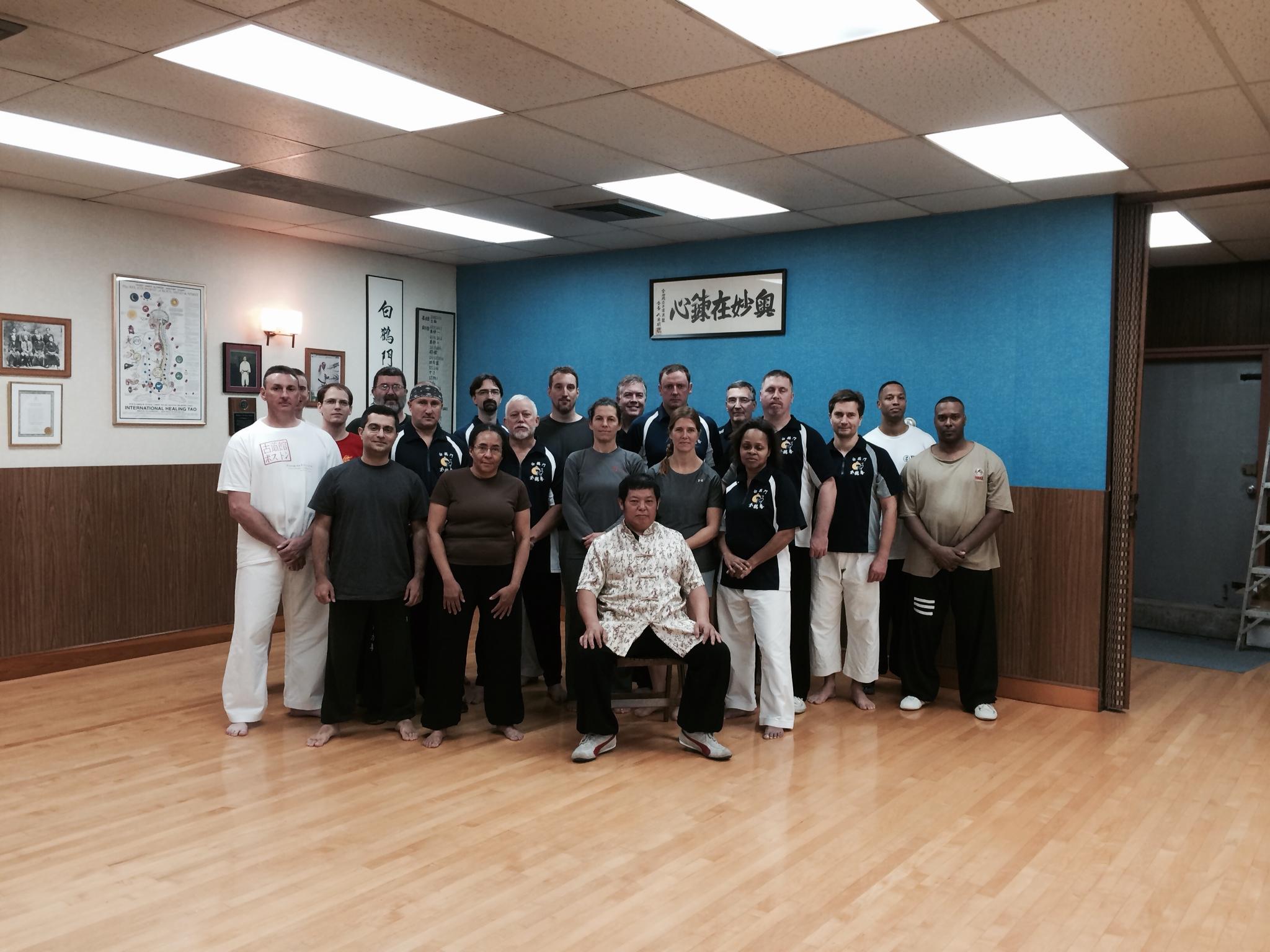
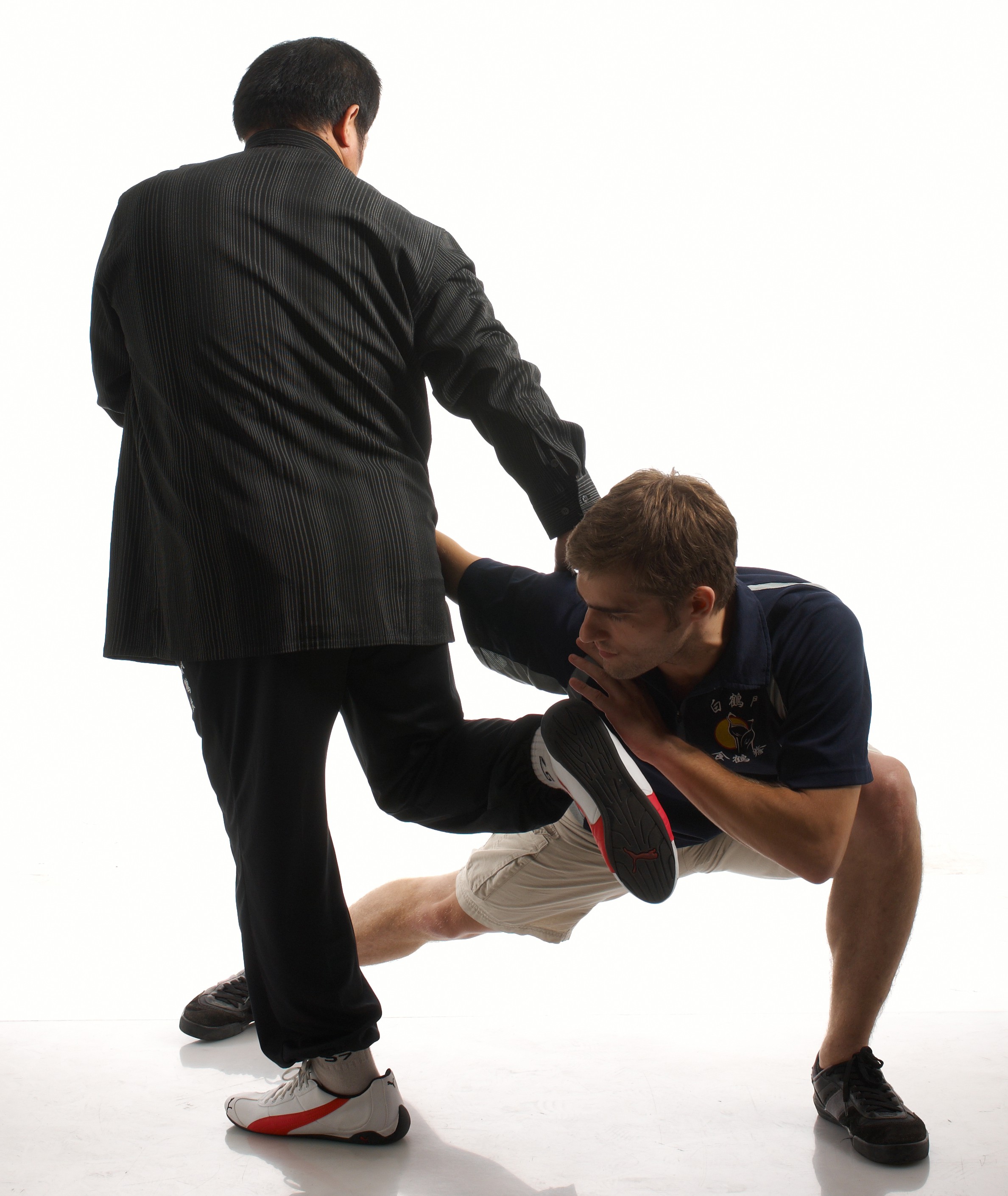
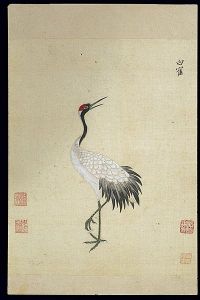 Liu sifu is in town and we’ll be starting the Boston Feeding Crane seminar tomorrow morning at 10. Looking forward to seeing all our kung-fu brothers and sisters, and to a great weekend of training!