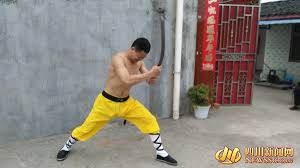
What movements matter?

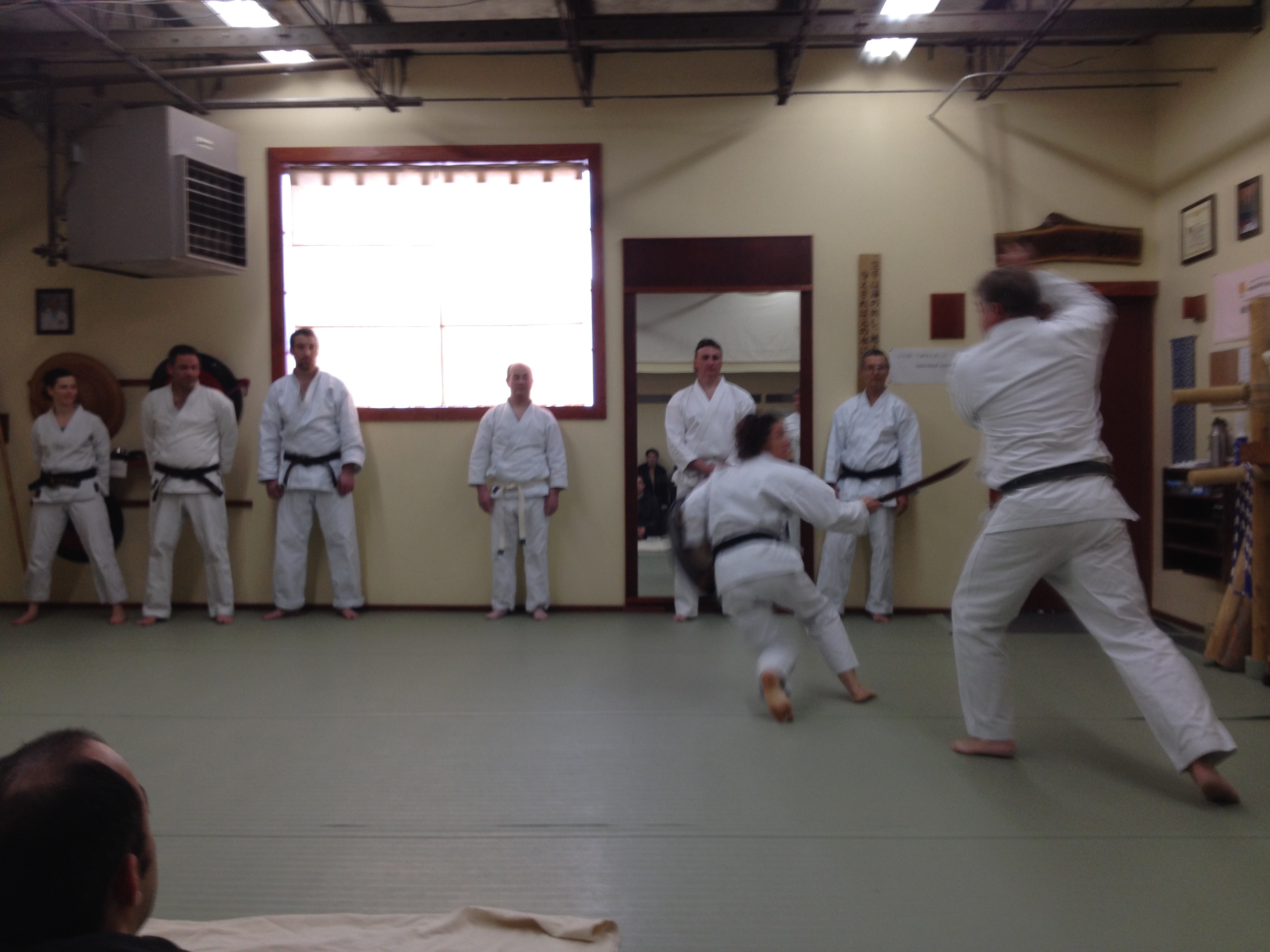
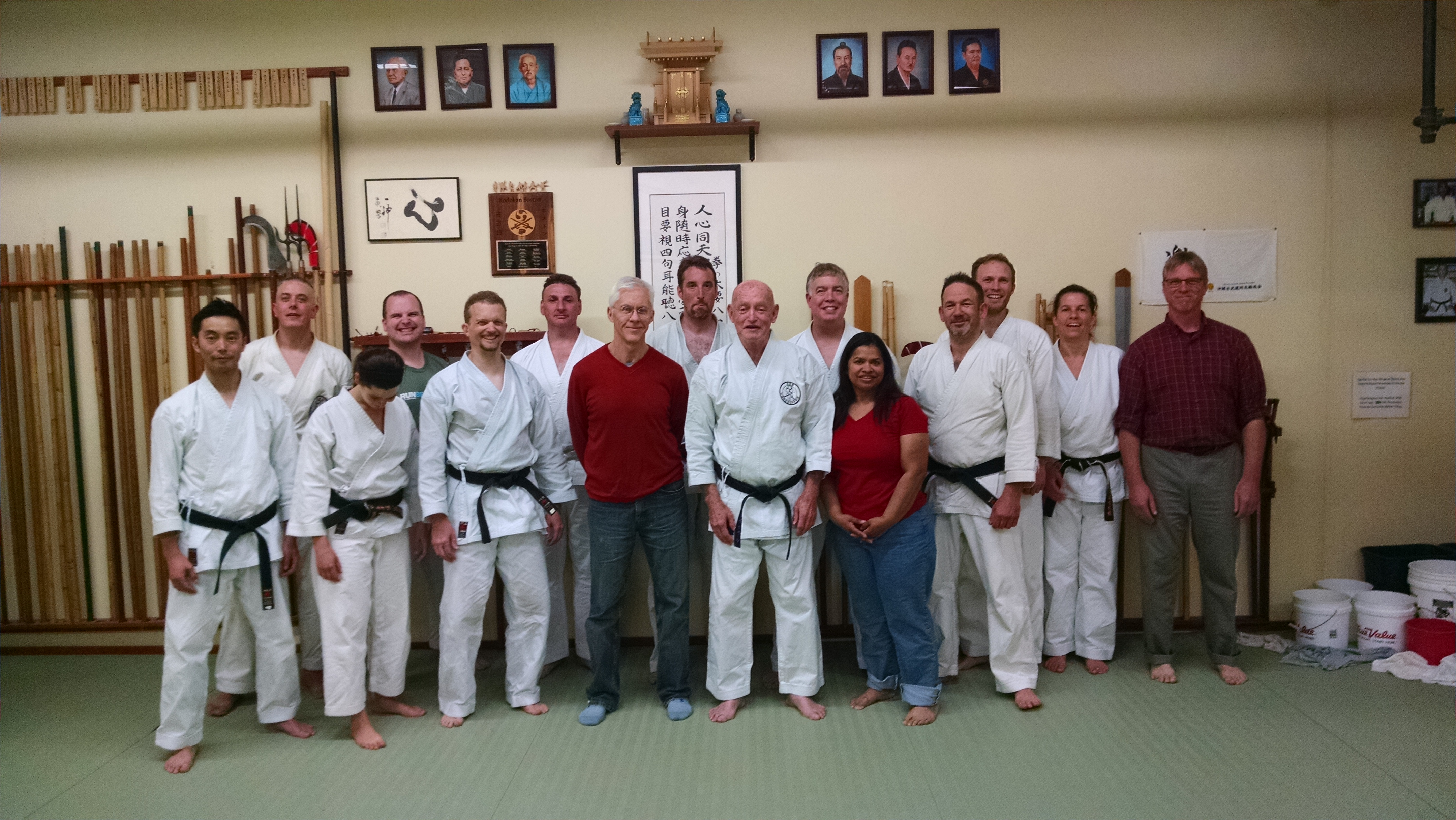
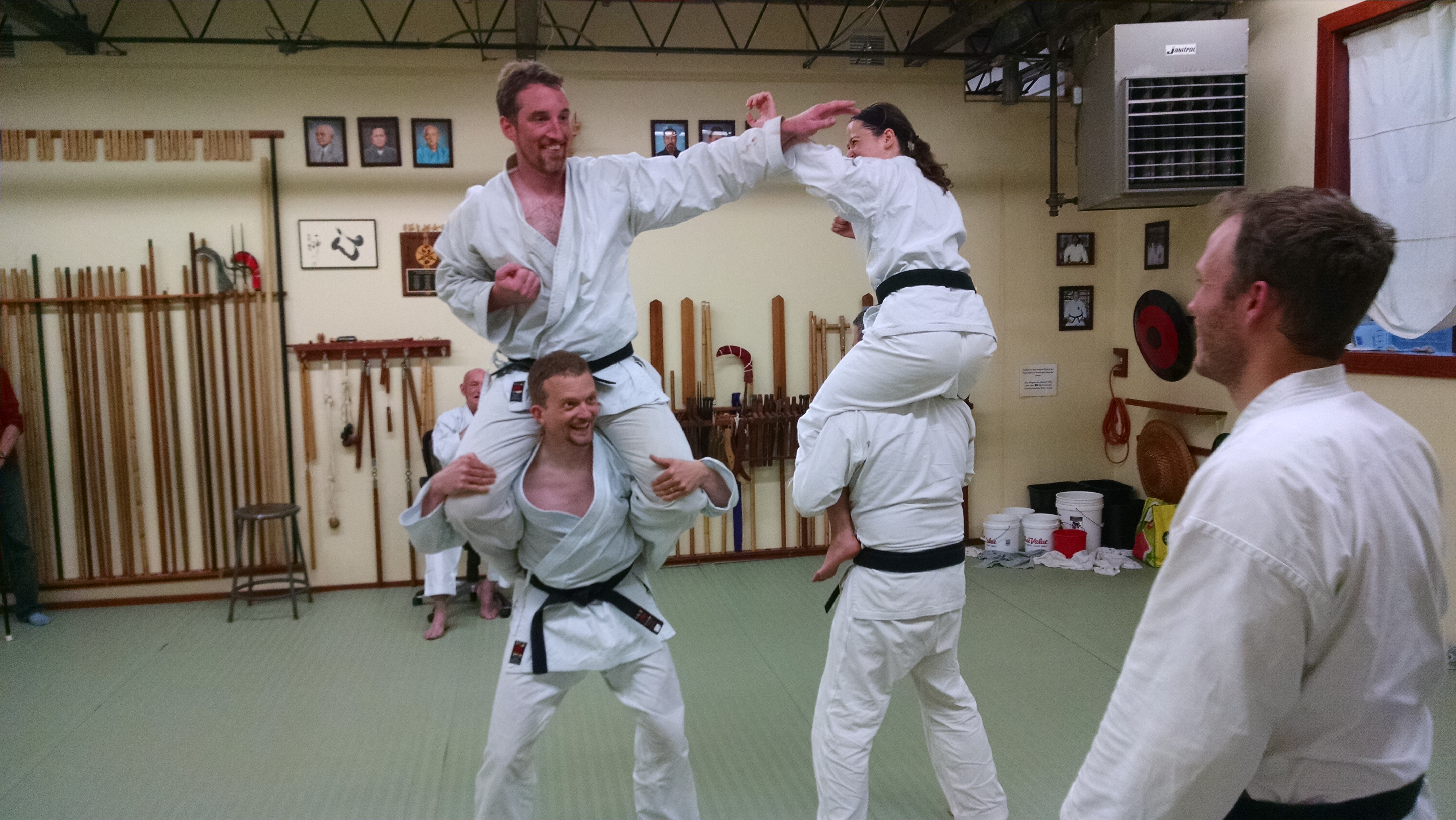
We just had a good visit from Liu Chang’I sifu here in Boston. It is always good to see him and spend some time hanging out, sharing meals, and hearing about his family and life in general. And of course, training together. There was the annual seminar which, as usual, included folks from near and far. It is always good to train with our friends and kung’fu brothers and sisters from other groups. Thanks to those who drove up and stayed in the area, like Spencer and John, and to all the folks from around here who came out and spent the weekend sweating and learning. We had a great time (though I missed Sunday due to a rather unpleasant stomach bug) and covered a lot of new material, as well as going over earlier information in more detail. Plenty to work with moving forward, and plenty of sweat getting to it!

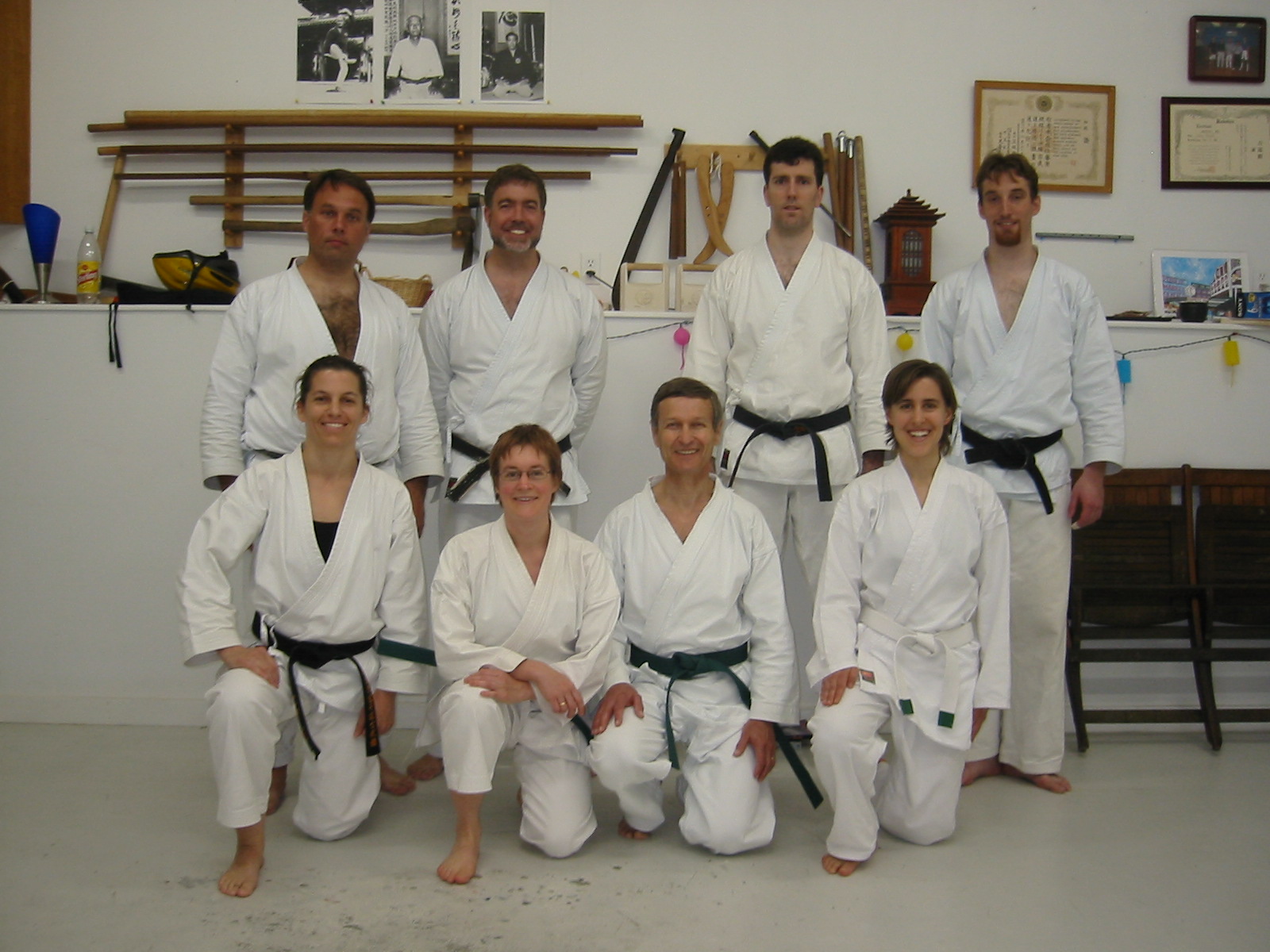
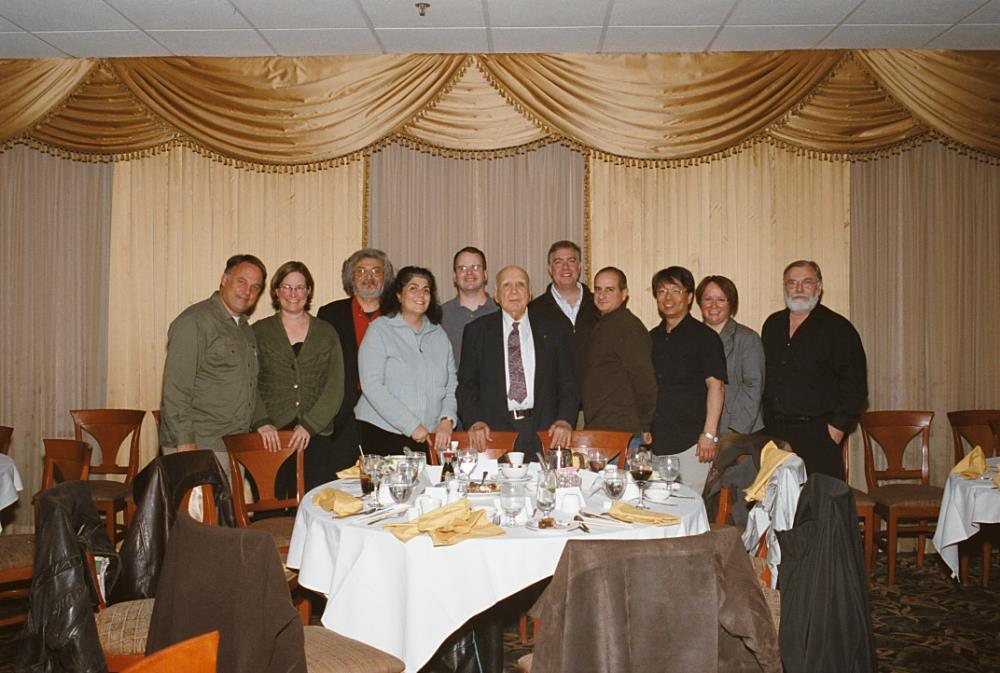
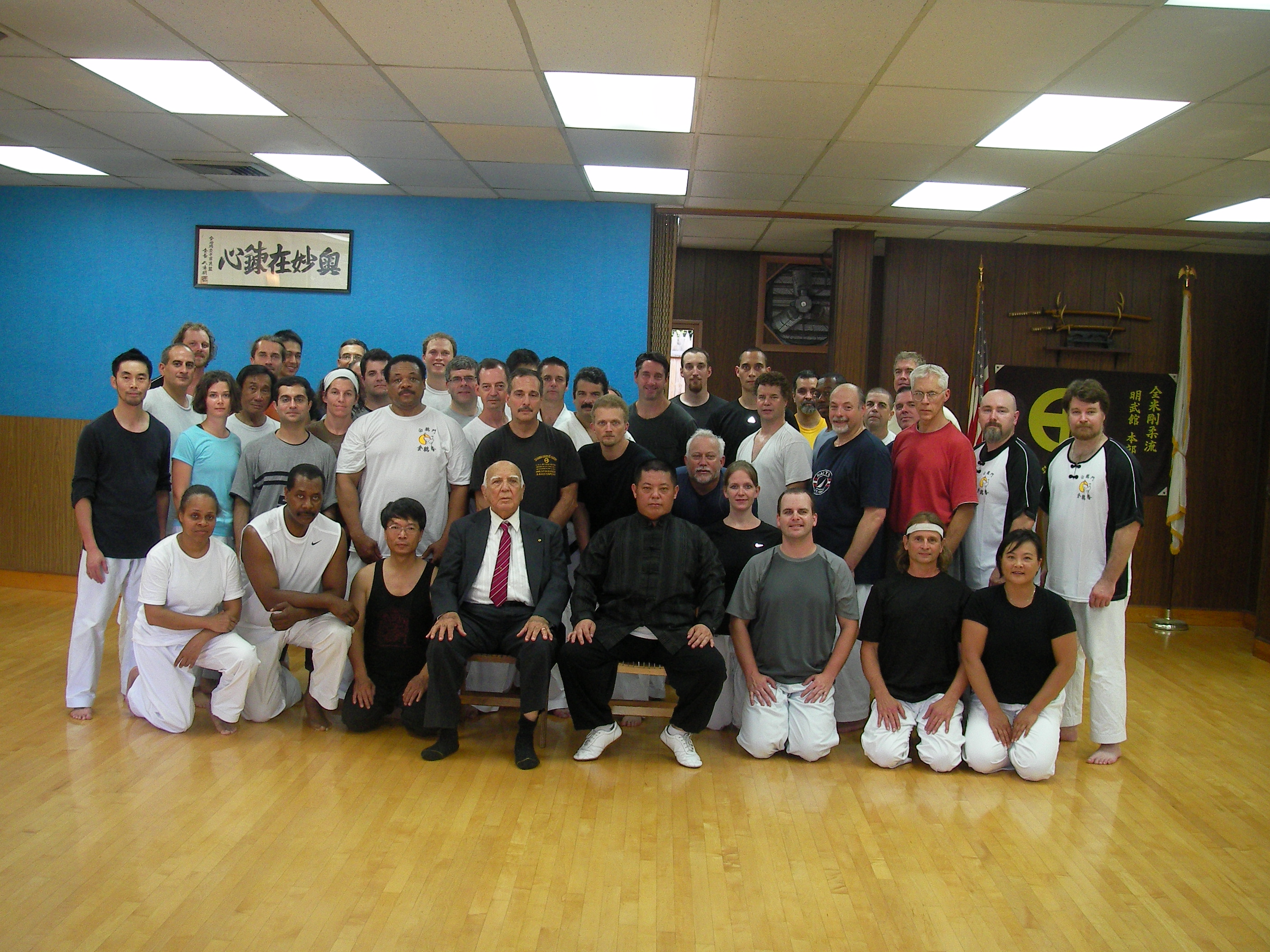
Saturday afternoon at the seminar.

Saturday afternoon at the seminar.

In addition to the seminar we did a fair bit of closed-door training with sifu. That is nothing too “mystical”, it is just training for those folks who are participating in our regular Feeding Crane classes and are therefore taking instruction in the system and trying to understand it more fully. Anyone who is training with the group is welcome but it is closed to visitors and non-members. In some ways it is simply a logistical issue- it is not possible to spend time working more in-depth on specific elements of the system with people who have spent only a few days learning it, regardless of their background in other arts. By closing the door we give those people who are spending the time and effort to develop within the system an opportunity for individual critique, and to see elements of the system harder to present in an open-seminar format.

All together it works out well. The weekend seminars introduce a variety of new material and training methods, stuff we worked on refining during the week, and sifu spent a lot of time in all our training going over the ji bei gong. The fundamentals. The important stuff.

I will admit that I have a limited tolerance for the approach to training that goes: “just do it 1000s of times and you will understand it and be able to make it work”. That is, I believe, nonsense. While repetition of basics is essential there comes a point of diminishing returns. There also comes a point, rather early on in my opinion, that a careful explanation of why the basics are being done, and therefore how they should be used in training, is essential. If that explanation is not forthcoming, or even worse if there is none, then I think it is time to question why, and if, the repetition should be continued.

And that is one thing I like about the Feeding Crane system. The basic movements have a clear rationale, and must be done very precisely. They are done to develop a certain, measurable, result. Once that result is achieved you start spending more time with a different set of basics, one based on the earlier set but more involved. Again, the goal is a measurable result. Once you are getting certain results with all the movements your goal is improvement of these results and maintenance of the existing results. Time spent with them is dictated by what you need to do this. It is not mystical, or mysterious, it is just hard work with a clear plan.
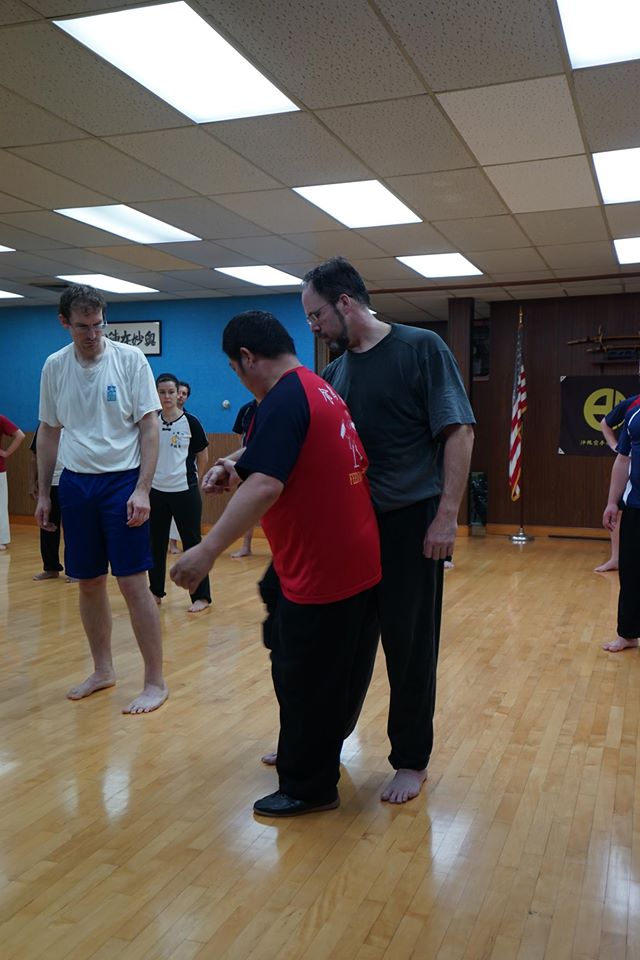
11229385_10207704418879040_2099002566845327894_o

And this is how you use the back of your thigh to break the leg…

It is also a plan situated within a larger framework. Basic movements (I actually prefer the word fundamental as it describes their role better) are just one part of the plan. Excellent development of skill in them still leaves you hollow in the system if you are not doing your other fundamental practices. It is a system, not just power generation or nice techniques or cool kata, but a set of practices designed to support each other. All need to be developed to learn the system.

That is one thing I find interesting in the approach of some people who do multiple arts. Often they have a primary art and their secondary or tertiary arts are simply there to support that. That is a perfectly fine approach, unless you also want to be proficient in those other arts. My “favorite” is watching karate people do kobudo that in reality is karate with a tool in their hand: to me the lack of understanding of weapon use is immediately obvious in their movement. But the same goes for multiple empty hand arts. While Feeding Crane can add power to your karate, it is really a lot more than that. It is also difficult to really get the power generation that way, as some of the fundamental mechanics, like raising the elbows or lifting the shoulders, break the rules of most karate and if you are trying to keep to those rules you will get stuck. In some ways they are incompatible, and accepting that is essential to developing in both.

And that is part of what we do during our closed-door training. We work solely with a group of people who are studying Feeding Crane for itself, not as an adjunct to another art. In some ways that is really the most fundamental movement, the movement towards committing to the practice. Of course there are a lot of different ways to commit, and I think many have value. Getting a taste of another practice is a valuable experience, and can add a lot to your own practice. One can engage at a variety of levels and regardless of the level or approach, time and effort put into developing a skill deserve respect . I certainly don’t think you have to give up what you know to enter into a new practice; I know I have not. But starting with a beginner’s mind, opening up to the possibility of new fundamentals, is difficult. Making that initial movement towards seeing a new art as its own thing is, I believe, the best way to do that.
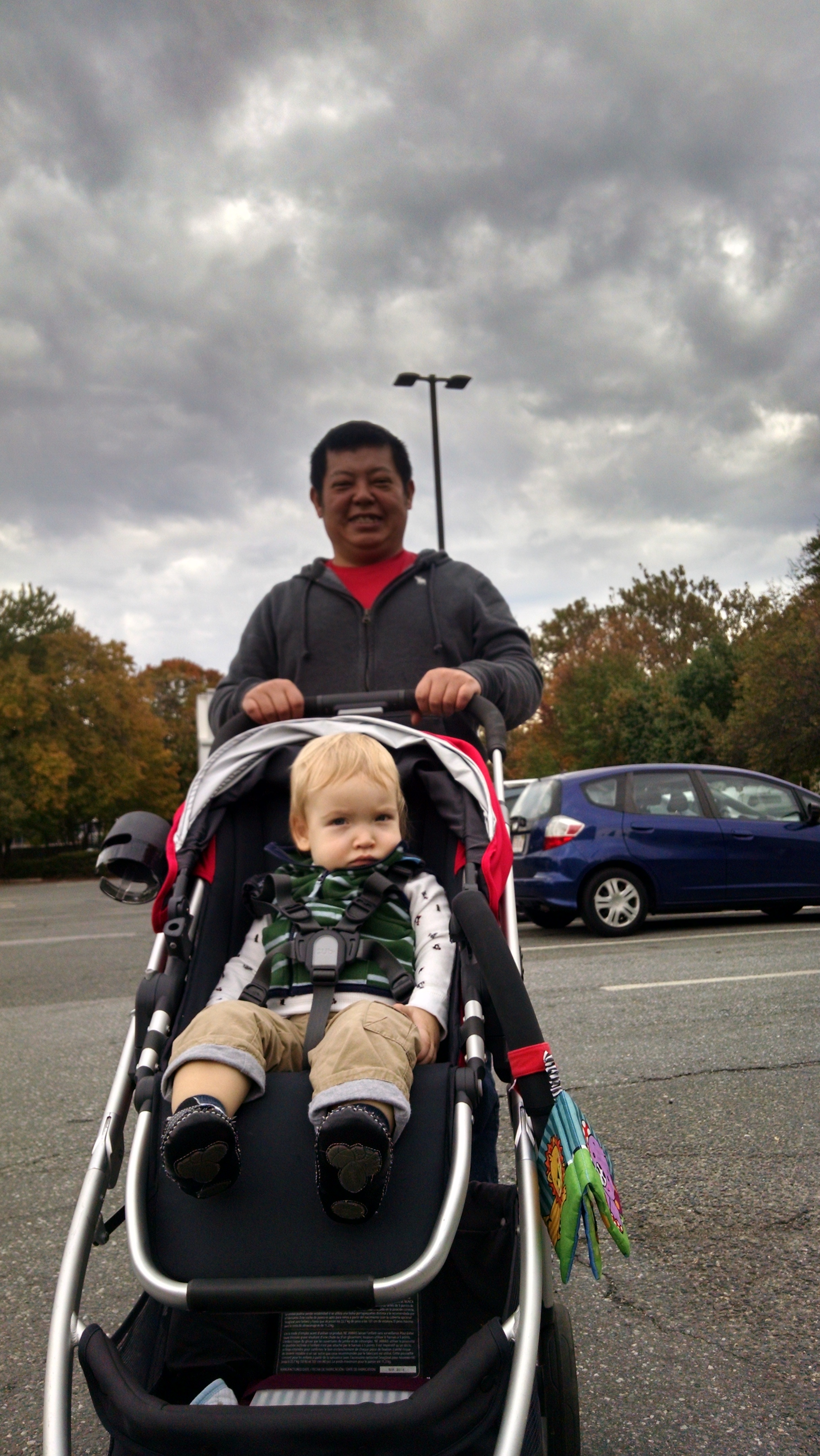
I have a beginner's mind, but ramen is the fundamental I need right now!

I have a beginner’s mind, but ramen is the fundamental I need right now!

And so open seminar, closed door training, or spending time with a teacher and friend are all fundamentals. They help create a base for continued practice and development. They help develop existing skills, improve existing relationships with material, the system, and most importantly with the people who embody those things. And, just to be clear, they are also a lot of fun! We are looking forward to the next visit already!
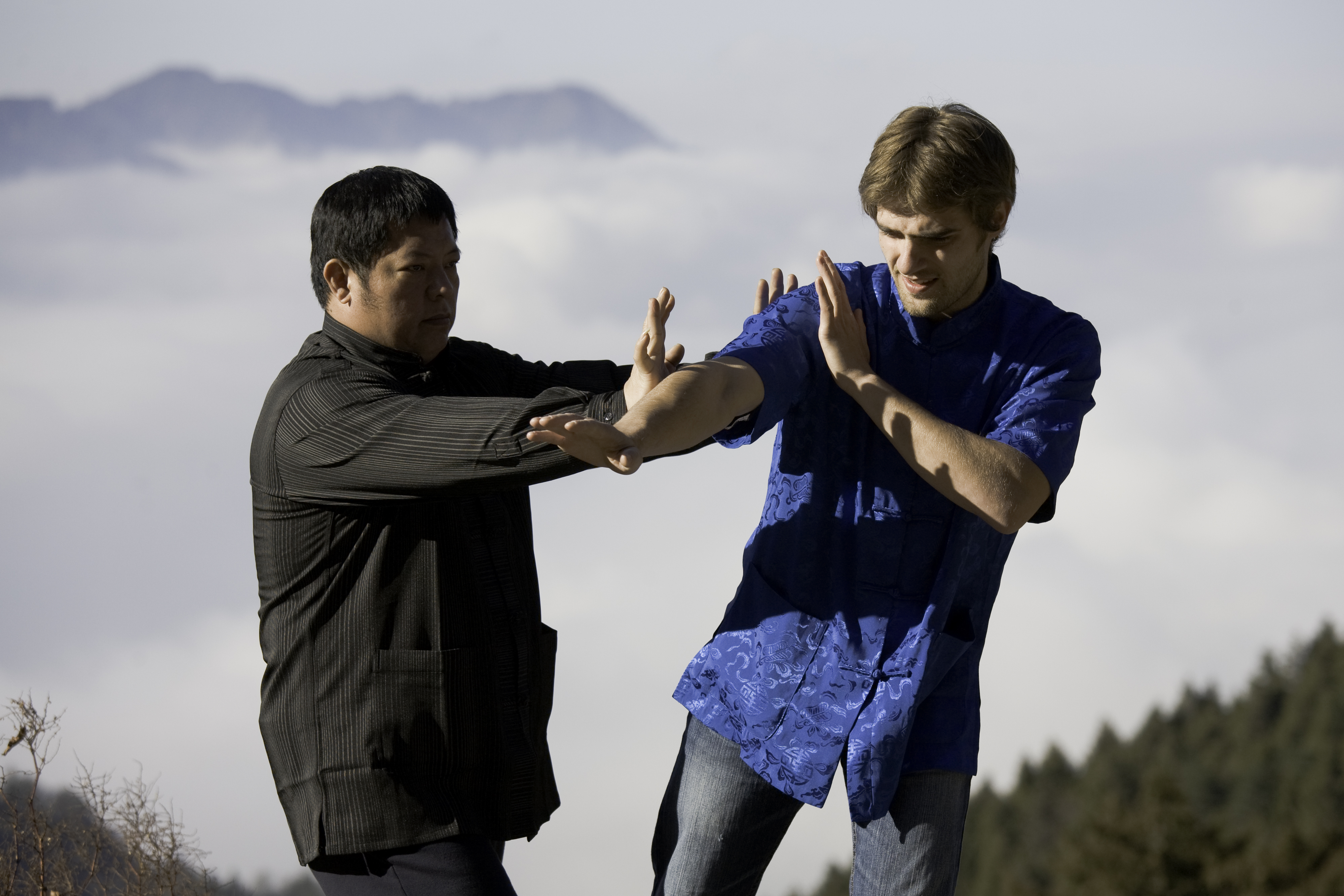

Feeding Crane Seminar

Liu Chang’I sifu will be back in the Boston area soon! On October 24&25 he will be teaching a seminar on his family’s Feeding Crane system. I look forward to this event every year. It is great to see Sifu Liu; we have a good time hanging out and training, and it is always fun to catch up with friends and teachers. The weekend seminar is also one of the training highlights of the year. Of course the instruction is excellent, and sifu’s enthusiasm for his practice is infectious! We have a great time sweating, nursing our bruises (by late Sunday, anyway), and taking in the training methods, applications, and insights into his art that he shares. Every year there is something new, and a new perspective on what I thought we already knew.

IMG_1434

Along with sifu’s instruction the thing that makes the weekend is the eclectic group of people that come out to train together. Last year we had Okianwan Goju, Uechi, Shorin Ryu practitioners, practitioners of a couple of different Chinese arts, and a couple of people completely new to martial arts practice. It is always a great mix. We get to touch hands with people from a variety of backgrounds and share each others experience and insights. Training is usually intense, with plenty of sweat and the occasional bruise, and throughout it all the atmosphere always stays engaged and you can feel how much everyone is enjoying training together. The mutual respect and friendship in the room is a great way to share a deep and fascinating art.

If you can join us for this fantastic weekend of training, please do! The sign up information is here, in the Events section of the site, and you can contact us via our FB page or the email in the sign up sheet if you have questions. It is going to be great weekend, and I am really looking forward to seeing all the familiar faces, and to meeting anyone new who comes out to join us!

What is the story?

Emerson wrote: “Fiction reveals truths that reality obscures”. For good fiction I believe this to be true. But when it comes to the martial arts and fiction, most of it is terrible. Far too often it gets it right. By right I mean it is often a tedious, technical, and interminable thing. It dwells on details that are usually boring even to someone who has done similar training. Stuff perhaps interesting to a neophyte or 10 year old takes precedence over the story. On the other hand, good martial arts fiction, rare though it is, gets it right. It cuts through the endless daily slog, the technical terms that don’t actually impress the outsider but instead leave him or her unengaged, and the mundane nature of most martial practice. It tells a story.

images

Ralph Waldo Emerson

And that is where it reveals a truth. In good fiction the story is more important than the details. What details get left in, what get taken out, are all driven by the story. Of course it is essential the details, no matter how minute, are correct; without the details being right the story doesn’t work. But in most martial arts fiction the details take over- techniques with cool names, fight scenes, incredible training sequences, are all gone into in excruciating detail.  While they may be cool, since they do not further the story they bore the reader. It doesn’t work. The story flounders.

The truth obscured then is this- it is the story that matters. The concepts and ideas. The details have to be correct, but the correct they have to be is the correct that furthers the story.  A lot of martial arts practice is too much like martial arts fiction- full of lists, unimportant details, obscure sounding names with nothing behind them. In practice the kata, drills, basics, should all be subject to the concepts, not the other way around. If you don’t have a good story- a good system (plot) to follow and good characters to go with- the details are unimportant. And if you do have these things a poor author or the wrong details- too much of something, too little of another, too much description instead of letting the reader figure it out- can still ruin it.

That truth revealed means that you have to examine your practice, edit it. What story are you telling? If a drill or form doesn’t inculcate the ideas behind the system then it is perhaps ruining the story instead of furthering it. So edit. And more importantly take charge of the writing of it! In the end the practice should enable you to use the concepts. The details should reveal them. They should enable you to write your story yourself, not just follow along.

In Roadmarks by Roger Zelazny, there is this ending to a longer scene. It works with popular tropes- Zen-esque phrases and tiny but powerful motions- but it is not about the martial arts, they are just there in service of the characters and the story. When they serve no purpose we do not hear anything about them. The characters’ training is not important, so we never learn about it. We just see what moves the story along.

   Timyin Tin leaned to his right then his left, his right hand still descending with extreme slowness. He leaned to the left again…

  “What,” Archie asked him, “is the color of thunder?”

   …Then to the right, hand still dropping.

   Archie feinted with another kick, then lunged forward, claws extended, hands describing wide semicircles about one another.

  Timyin Tin’s head turned back over his shoulder as his left leg moved behind him. His body turned sideways as his left hand became a V, catching Archie beneath the left armpit. His right hand moved upward toward the other’s crotch. He felt but an instant’s touch of weight as he twisted to the left.    Then Archie was gone, into the night, over the railing.

  “Behold,” Timyin Tin replied.

   He stood for several heartbeats, regarding the night. Then he bowed again.


download

Medatsu

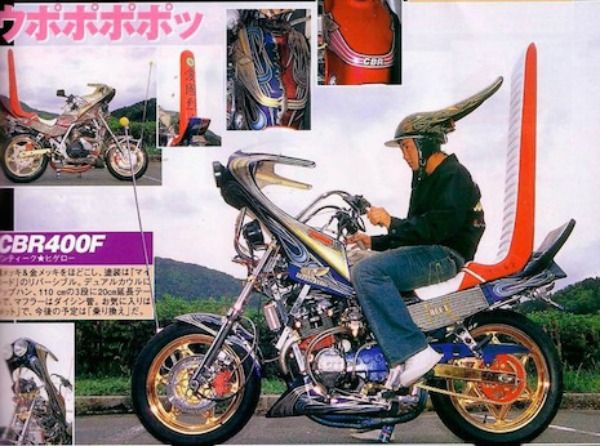
There is a term in Japanese, Medatsu (目立つ). It is usually translated as “to be conspicuous, to stand out”. But that is not actually a very good translation. In English to stand out is a good thing. It connotes people taking notice of your positive attributes. Standing “head and shoulders above the rest” is something to aspire to. But in Okinawa and Japan a well known saying goes “the nail that stands up gets hammered down.” In other words, deliberately standing out means that instead of respecting you people will feel you need to be taught how to be a better member of society. When I first came across the word medatsu it was in reference to the bosozoku, groups of teen motorcycle riders in Japanese cities. They ride about making lots of noise, acting “bad”, and drawing lots of attention to themselves. They certainly stand out, but not in a good way. Their antics are juvenile, and rude. Being a nuisance is not the same as being noticed. Medatsu implies that you are drawing attention to yourself for no good reason. You are, in essence, acting the fool.

1433161748-1

Awesome.

There is not actually a good equivalent verb in English, at least not one I can think of. But especially in the martial arts we really could use one. Getting attention is not a bad thing. If your efforts are recognized  there Is no reason not to feel some pride at being noticed for them. But drawing attention to yourself, insisting you get noticed whether you deserve it or not, runs contrary to both what I think the essence of budo is and my sense of what is in good taste.

For me, multi-colored gi, patches saying Master, Black Belt, and so on, and the screaming announcement of whatever you are doing to the entire group are just medatsu. Constantly making sure everyone knows your rank is medatsu. Wearing your obi over a tshirt is medatsu. (And a pet peeve!) Using grammatically and culturally incorrect titles like hanshi, soke, or shihan is medatsu. Reminding everyone you meet who you have trained with and the awards you have won is medatsu. Jumping up and down and shouting when you overcome an opponent or succeed in a grading is medatsu. These things are not budo they are showmanship. They look foolish.

hqdefault

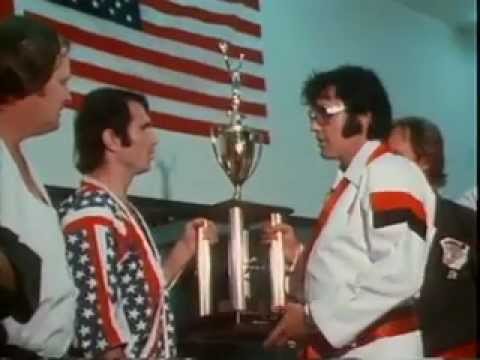
Martial arts or showmanship. You decide. (Either way, Elvis is cool.)

To me they speak of insecurity, and of a desire to be noticed doing instead of a desire to do. It is better to come to the dojo and train, day in and out, and never be noticed than to spend your time attempting to draw attention to yourself. At least I think so. It certainly speaks to a more secure and tempered life. So for my two cents I would suggest you avoid medatsu. You might not get much recognition, but you won’t look like a fool.

Haute Couture

Do you wear a traditional keiko gi to training? When I started training that question would have seemed absurd; of course all traditional karate-ka wore a gi. But these days things are different. The current trend, dare I use the term “fashion”, is for “real” karate-ka to leave the keiko gi behind and train in tshirts, shorts, and other workout clothes. Some note the lack of keiko gi in pre-WWII training and suggest that they are harkening back to an earlier time. Some say they want to train in clothes that more closely approximate what they would wear on “the street”. Some say it is more comfortable and does not inhibit movement. And some note it is less expensive. While these reasons are all good I can’t help but think that part of it is also that the most visible martial artists today, MMA folks, train in workout clothes. It could just be they are setting the unconscious cultural standard for tough guy attire, and the keiko gi, as seen in strip mall dojo across the land, seems more like clothes for children, not for real adults really working out.

47098313.cached

Is the choice really this,

images (4)

or this?

We usually train in keiko gi in my dojo. Amusingly enough (to me) I get occasional guff for it. “Oh, you still wear a keikogi? OK.” Don’t get me wrong. We also train in workout clothes, especially when we are out in the park where I feel the keikogi draws unnecessary attention. (Another reason, I know…) And I never wear a keikogi when I am working out alone. That would feel weird. Certain elements of training in workout clothes I really like. I do think they inhibit certain movements less. They are less expensive, and can be more comfortable. Best of all, you don’t need belts with them, and that is a real plus to me. I have seriously considered abandoning at least the gi top and having “official” dojo attire be a tshirt and gi pants. But I have not, at least not yet.

Why? Well, if I showed up to formal training in one of my teachers’ dojo in Okinawa wearing a tshirt it would be considered inappropriate. I think that should mean something to me. It may just be habit, but my teachers are not fools that just blindly follow tradition. It occurs to me there might be reasons for it. Karate is an Okinawan budo, and if we want to follow that path we may want to consider that what can seem like trappings may have a little more content than it at first appears.

IMG_0003

Yogi sensei was just relaxing with us.

So why the keikogi? I think they do a variety of things. First, they are a uniform. Uniform means “all the same.” So when you come to the dojo and put on a keikogi you are symbolically becoming the same as everyone else. For the time of training, just a karate ka, just a member of the dojo. Wearing workout clothes allows for a variety of other symbols- your most recent vacation, how much you can spend on fancy gear, your work, the seminar you alone went to. Even worse, products you endorse, the trivia of our material culture. These symbols can be used to draw attention to yourself as different from everyone else as opposed to yourself as part of the group working together to train. Separation, joining, these things are important. Therefore these symbols can take away from training, on a very subtle level.

The uniform is also a symbolic reference to what you are doing. When you are wearing it you are declaring yourself to be separate from the rest of your daily life. It tells both you and everyone around you that you are engaged in a special and specific activity. That can, I believe, help create a separation from daily life in the dojo. While in uniform work issues, family life, worries, hopes, concerns are all put aside to focus solely on the task at hand. On top of that the austerity of the uniform is a reminder that what you are engaged in is not trivial or for show. Do you need a uniform for that? No, but symbols can have power, especially subconsciously. On some days making the mental shift is difficult and the uniform can help. It can also help others treat you as nothing but a karate ka, to expect you to be in that mode. That in turn can reinforce the role to you.

Finally there actually are some technical benefits. I have torn tshirts completely off people doing grappling or throwing. Keikogi tend to be pretty durable, at least decent ones.

But all in all I just keep coming back to it being part of our martial culture. That may not be a great reason but it is one with some emotional import, at least to me. I also keep thinking about what the keikogi adds instead of what it is taking away. If we ever do change to workout clothes here I would want to keep the symbolic referents of the uniform intact. A simple, austere tshirt with nothing except perhaps a dojo symbol on it. Not too expensive so when they got destroyed they could be easily replaced. Everyone would have to wear it, defining them as members of the dojo engaged in their chosen activity. No mélange of various colors, cuts, and symbols. Just a simple tshirt. A keikogi, really, just in a different shape.

We could lose the belts though, which would be awesome.

P1050301

Paperwork

So paperwork sounds like a strange title for a post on our martial arts doesn’t it? After all, training is about working out, not money, titles, or especially nonsense like paperwork. Right? Yup. But…. The dojo has to pay rent and other bills and to do that dues need to get collected, deposited, and tracked. Schedules need to get organized and communicated. Visits from teachers involve setting a schedule, collecting waivers and fees, etc.. So while it is indeed not about the paperwork that is a bit of a red herring. The paperwork needs to get done to allow training to happen. That makes it a part of training, not something separate.

shutterstock_37190596_crop380w

Most of the martial artists I know train in small dojo. They have deliberately chosen that environment and seem to share a distrust of the trappings around much of our training here In the west. Unfortunately, that seems to bleed into their approach to everything that, to them, feels like the bits around the edges of training. The paperwork. It seems that paying dues, getting sign up forms in, responding to emails, and doing anything that is outside actually showing up at the dojo to work out is somehow tarred with the same brush as multi-colored gi, glowing bo, and “black belt clubs” that take a fee up front and promise you a black belt in 2 years. It is all “that other stuff”.

Speaking from experience, both mine and that of friends who run small dojo, this “too cool for school” approach to administrative tasks is pretty pervasive. At least it is among those who are not doing said paperwork… It is also a pretty shallow approach to being a karateka. What, really, did he just imply that getting paperwork done is important?!? For a karateka?!? Nope, I didn’t imply it. I stated it, unequivocally.

Why? Two reasons, both core values of our art. 1) Shugyo.  2) Reigi.  Got it? OK, I’ll clarify.

Shugyo can be translated a number of ways but in essence it means continuous and arduous daily practice. It means taking the job at hand and getting it done. Not just the parts you like. In fact it kind of implies that the difficult or unpleasant aspects of the practice are where you will get the most value for your efforts. A friend and I were talking about work the other day and I noted that I like having martial artists at work, they just buckle down and go to it. Ahh, shugyo he replied.  This concept is more important than any technique, but if the idea never leaves the dojo, your training is useless, both to you and to society. For self defense, as well as in your daily life, you have to be prepared to deal with whatever comes up, regardless of what you want to happen. That means in training you do the same. You get it done, quickly, cleanly, and without fuss. Paperwork is a part of training, so you just get it done. You take responsibility for yourself. Period. Or you are skipping out on a part of training that is just as important to understanding the real lessons in the dojo as hitting the makiwara.

Reigi means manners or etiquette. Karate begins and ends in courtesy. This means taking care to be polite, be sincere, and be dedicated to the well being of others. It is simply courteous to get paperwork done promptly. Not doing so shows disrespect for the time and effort of those who are doing the administration. In most small non-profit dojo the sensei, or someone assisting him or her free of charge, takes care of any necessary administration, with no recompense except keeping training going. It is their shugyo… Since the dojo are small there is not usually much, but people not taking care of their end of things can make it time consuming. Remember, every time your sensei has to ask for paperwork twice (or regular things like dues at all), send a follow up email because you did not answer, or hunt down your decision on training with a visiting teacher, it takes time. This is time they could be using to train themselves, or to spend time with their family. It is a gift to you and the dojo, given with reigi in mind. Is that gift valuable to you? By not dealing with your administrative tasks promptly you are stealing  it, telling them their time is not worth your respect. That does not sound like courtesy to me.

It is no accident that in the dojo I have belonged to in Japan not getting your paperwork done was definitely a clearer indicator of a bad martial artist than technique. Technique can be developed, bad attitude or poor character will stunt that. Remember, dues and sign up forms, emails and calls are just a part of it. Wash your gi, show up on time, get the soji done, maintain your health insurance, eat well, pay attention to your dojo mates’, friends’, and family’s life events, find ways to thank those who do things for you, take care of yourself. All these are paperwork. Doing them is training!

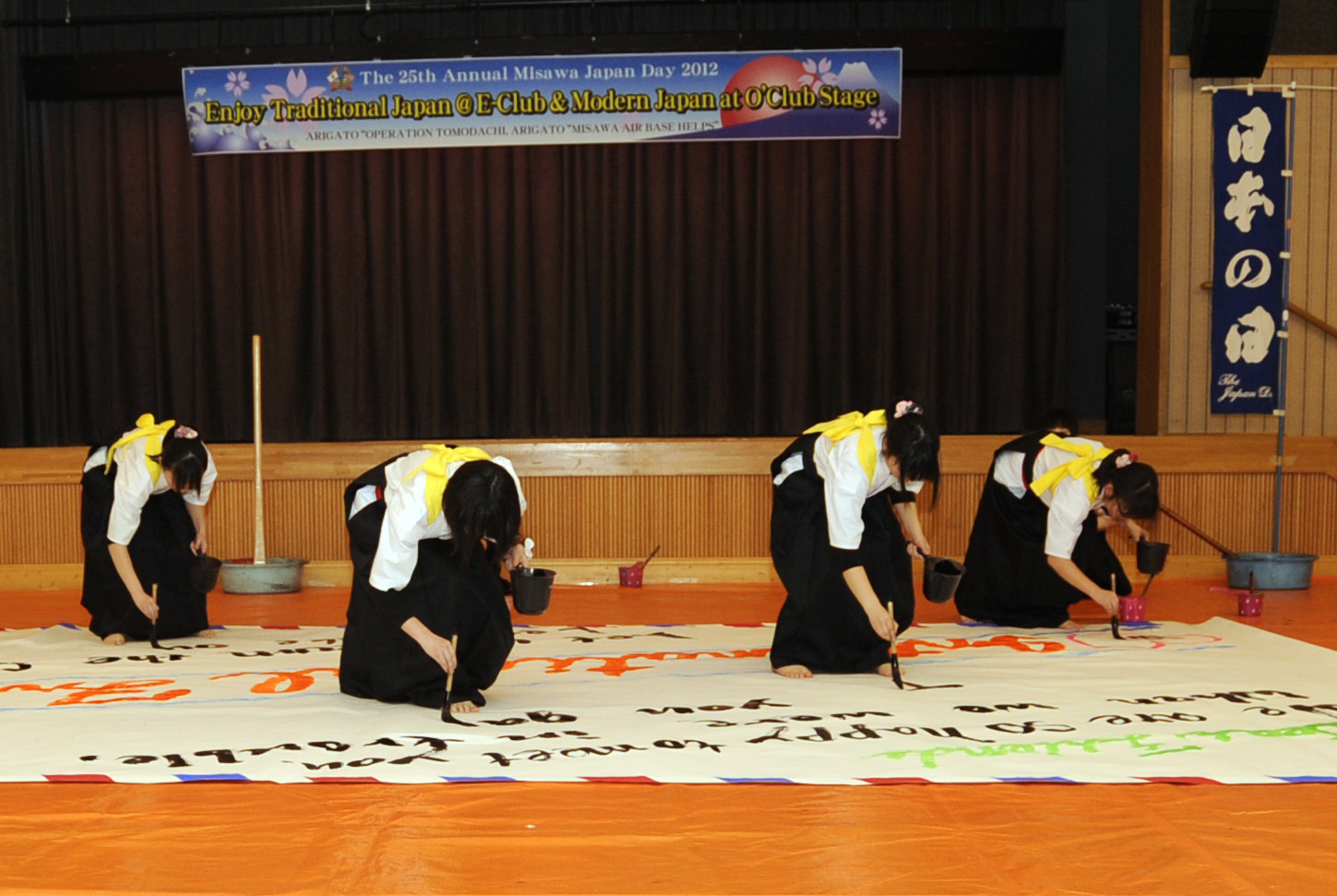
Students from Hachinohe Higashi High School perform a calligraphy dance

I am lucky, I have a great group of students, friends, and dojo mates and in general they get their paperwork done. They train well and take responsibility for themselves and each other, so that does not surprise me. But I think it is important to understand training holistically. If training is just punching and kicking, why do it? If it includes an approach to living, to dealing with both emergencies and daily life, that seems like a much more valuable practice to be a part of.

So think holistically. Maintain your training through all its myriad aspects and treat your sensei and training partners with respect. Train hard, train often. Get your paperwork done.

25th Anniversary

Karate training can take you in unexpected directions. One of the most surprising, and most rewarding, to me has been working with the other members of our dojo to keep our group training, growing, and enjoying our practice. This year our dojo is 25 years old. That is a bit of surprise in itself, as I was yet to be 25 when we started here! But it makes me very happy. 25 years ago I could not have predicted we would still be here now, or the ways our training has grown and developed over that time. I could also not have predicted how much the group of people we train with means to me, and how my life has been made so much richer for it. It is an amazing thing to be a part of.

Training in David's garage, 2004

Training in David’s garage, 2004

25 years, by most anyone’s measure, is a fairly long time. It is the time from being just out of college and struggling to find one’s way to being an established professional. It is the time from being single and unsure who you might make your life with to being married and having children. For Kodokan Boston it is the time from getting together to train in a basement to coming to our own dojo to get together to train. And for our training it is no time at all.

I think history is important. It tells you where you have been. This is not just nostalgia. In something like our karate it is essential. It gives you roots; without history you have no base to build from, there are no giants to stand on the shoulders of. If you pay attention, history also gives you lessons; if you know where you have been you don’t have to go back there unless you want to. That may seem like a simple idea, but as we say here: years of training are meaningless if you do the same year of training over and over. Without knowing your history you can just keep repeating it, never getting anywhere. History also helps you understand what has shaped you, which can give you a sense of both who you are, and who you want to be.

Demo at the Museum of Science in 2002

Demo at the Museum of Science in 2002

Kodokan Boston’s history is pretty simple, but at 25 it does deserve a few words. We started here in 1990. A few of us graduated from UMass Amherst that year. I left the area and spent the next few years in Japan, and traveling. But here in Boston Mike Piscitello knew he didn’t want to stop training just because he had moved away from the dojo. He found some former members of Kimo Wall sensei’s dojo living in the area- Scott McGaunn, Henry Bennet, and David Nauss, among others- and they started training in parks, backyards, and Mike’s parents’ basement. And that is how we got started, because Mike wanted to keep training. Not a very dramatic story, but a very good beginning none the less.

A few years later Corey Tedrow and Lisa Pomiansky moved to the area, joined the group, and realized we needed a consistent space to train. They searched for one and in 1993 found Green Street Studios, in Cambridge. We spent over 14 years there, and it was a great place for us. A lot of people came and went in those years, including me when I returned in ’94. While we missed bag sensei, and Mike’s dad’s olives, we made some good friends at GSS. Along with our daily training we had a great time doing demonstrations with the dancers (classical martial arts, it turns out, create a rather different atmosphere than most modern dance pieces) and were lucky to get to know, and learn from, a community of artists as dedicated to their art as we are to ours.

A "duet" at a GSS Community Concert in 2003

A “duet” at a GSS Community Concert in 2003

Training continued, and kept changing and growing over the years. Eventually GSS was no longer the right space for us. We spent about 2 years training in parks and rented spaces again until David Nauss moved his business and we took part of the space as a new dojo. David helped a great deal with the build out and of course with getting the dojo there in the first place, and we opened in late 2009. It is great to have bag sensei back in the room, and to be reminded of all the support our art has from those around us every time we train. The support and assistance of our entire community, and the effort everyone put in to make it happen, really cemented in my mind that it was the right move for us. It was huge step, and has been a fantastic home for us since.

Looking back on 25 years there are a lot of people we could thank for helping us get here- Mike for knowing his training was his responsibility and starting the dojo, Lisa and Corey for pushing us to take the next step and have a formal group, David for helping us get into our own space, and our teachers for sharing their knowledge- but the most important group of people are the folks who come to the dojo to train, and all those who support that training in our extended community. So many names come to mind- Per, Tania, Scott, Charlotte, Bryan, Mike, Vu, Karl, Amy, Jan, Jim, and so many more. There are too many to mention, and they have each made an indelible imprint on our group. For 25 years they have been what we are really about, what our mission is for.

Friends and Family Demo at the dojo in 2014

Friends and Family Demo at the dojo in 2014

And for all the changes over the years the mission of the dojo has remained the same- train hard, train often, and make our training part of a life well lived. Of course our training is not exactly as it was 25 years ago. If we were still training the exact same way that would have been a lot of wasted time, and that is definitely not what we are about. But we are still training our Goju Ryu and our Kobudo, and have added Feeding Crane into our practice. We still maintain our connections to Okinawa and our teachers, and we keep learning, and changing. In short, we still work to take charge of our own training. And that is the real history of Kodokan Boston- people working together to keep themselves growing and learning. Taking charge, and care, of themselves. Hopefully we have kept the history strong, and used it as a base to build from. Given where we have come from I for one am looking forward to the next 25 years. I know I can’t predict exactly where we will be, but I do know we will still be training together, and that Kodokan Boston will still be growing and changing 25 years from now. And I know that is a history worth being a part of.

What lessons are you learning?

At the dojo with Kimo sense and a lot of old friends.

At the dojo with Kimo sense and a lot of old friends.

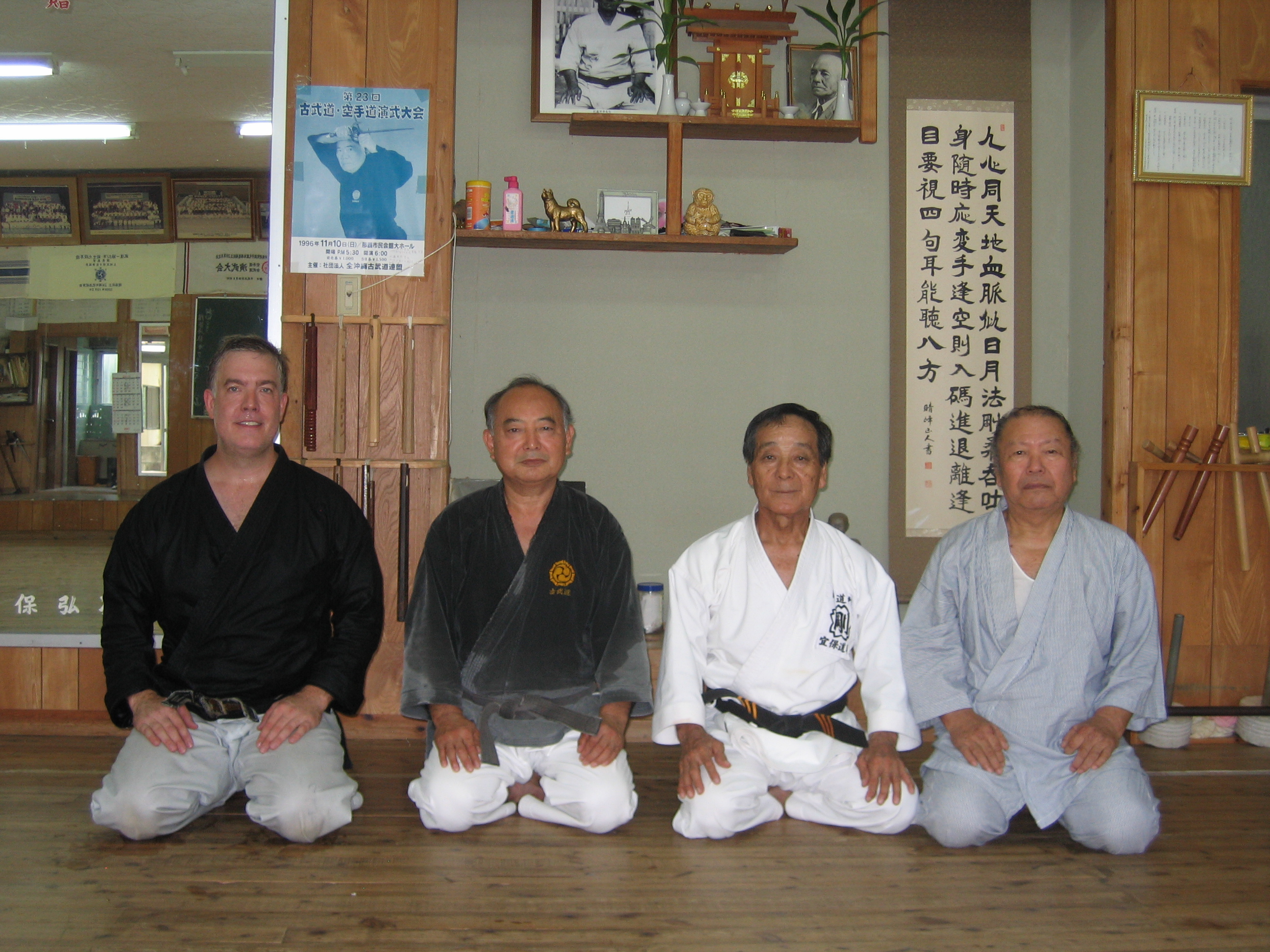
Last week we had a short visit from Kimo Wall sensei. As always, it was great to see him. We’ve known each other for 30 years next year and have shared a lot together. He was my first sensei and I am still learning from him. He introduced me to Matayoshi sensei, Gibo sensei, and Liu sifu, and indirectly (through Matayoshi sensei or Nakasone san at Shureido) to Sakai sensei, Gakiya sensei, and my other teachers and seniors in Okinawa. We have traveled together and shared training, sweat, friendship and more than a few good meals over the years.  Every time I see him I am reminded of how lucky I was to have found such a good teacher to start this journey with.

He was only here for a few days but we got some good training in. We also got to spend time with a lot of old friends and training partners. Kodokan Boston is 25 this year and we have had a lot of people through the dojo in that time. Most of the folks for the first 10 years or so were from UMass, students of Kimo sensei’s when he was there in the 80s or of Giles Hopkins sensei after that. A few of those folks are still training, but most don’t make it to the dojo much these days. These are people who, like Kimo sensei, I have shared sweat, blood, and meals with, but whom I don’t get to see very often. One of the best things about Kimo sensei’s visits is that they come out to say hello. Sensei gets to see them, and so do I. It is great fun!

Of course we train together. Since many of the folks who come out have not trained for a while that training often consists of the subjects we did endless repetitions of back in the day. People have a good time, and we all get to reminisce about the old days. Sensei also spends some time working with the folks who are training on classical kata, application principals, body mechanics, and so on. It is all good fun.

This seemed like a good idea when we were 20...

This seemed like a good idea when we were 20…

In addition to training we usually have a party of some sort, and spend time just chatting and sharing our lives with each other. This visit there was a lot of discussion of how training, whether one is still practicing or not, affects one’s life. Usually martial arts discussions center on the efficacy of technique, the physical prowess of the individual, the intensity of training, and so on. While there is occasional reference to the greater context of the practice, or how it is a “way of life” not a sport, this is usually a small part of the conversation. Not this time. Instead that was the main topic of conversation. Perhaps it was the demographic- there were a lot of people who are no longer training but for whom our karate remains a pivotal part of their lives. Since they could not talk about their current prowess or how effective technique x has been recently, they had instead spent time thinking about how training had shaped them and their lives and were sharing that.

It was good to hear. People like Kimo sensei, who has been teaching in the US since the 1960s, get to see the current crop of students but don’t often get to see how much impact they have had on the lives of people who are no longer in the dojo. It turns out he has had a huge impact on the lives of a lot of people. While we heard a few stories of people defending themselves the more striking themes were of character and self-knowledge. In many different ways people told of how their time training prepared them for bullies at work, for medical problems, for dealing with negotiations and managing subordinates, for all the various things life can throw at you. Of how deeply they were affected by the lessons they had learned, and how they were now passing them on to their children. And of how much they felt indebted to Kimo sensei for teaching them these lessons.

Calmness in the face of adversity, an ability to work hard and focus, and a sense that if something needs doing you should be the one to get in there and do it seemed to be what came up the most. As my friend Mike put it: “one of the first things sensei said was: ‘what are you gonna do?’. I use that every day at work. Problems come up and people sit around wondering who will deal with them and I say: what are you gonna do?” Other people mentioned phrases Kimo sensei has used around us for decades: “replace fear and doubt with knowledge and understanding”, “meet any situation without difficulty”, and the classic “you no be minus, you be plus!”, and talked about how these ideas had helped shape how they faced the world.  And made us all laugh.

It was gratifying to see Kimo sensei take all this in. It is easy to forget how much impact a teacher can have on someone’s life. Particularly when you don’t see those faces any more it is easy to assume that your impact is over. In some instances that may be true, but when a teacher challenges you, helps you push through and achieve things you didn’t think you could, and has something valuable and concrete to teach, that is seldom the case. That is one reason why hard training and attention to detail, personal effort, and most importantly character are so important in martial arts training. The technical results are of course important but often the most important effects of training are the less obvious ones, the ones that become part of who you are and how you approach the world. If your training is not challenging enough to change you, not deep enough to show you things you didn’t know were there, and not valuable enough to make you want to strive for it on your own, then your training is a shadow of what it could be. It takes a good, solid art to bring those things to the practice. But more importantly it takes a good teacher to bring them out in his or her students.

IMG_20150604_210816819

Thanks sensei. As always, good to see you.

Drills, Exercises, and Understanding

A few weeks ago I was shown some “lock flows”. They were simple sequences of joint locks; in most cases each lock worked in the direction of the resistance to the previous one, a pretty common way to string them together. But in this instance the person showing them to me was slamming through the locks at high speed, with a fair bit of power and no attention to what their partner was doing. I realized they probably did not understand the drill very well, as that way it did nothing to train sensitivity to the opponent’s body- feeling for resistance, for when to apply and release pressure, for when the joint was open or closed, and for the rest of the body’s support (or lack thereof) of the joint. Done that way it was just a series of unconnected locks.

This is not unusual. Drills are just that, drills. They are not combat. But many people feel that their drills should be as “realistic” as possible. What that winds up meaning in practice is that they are done fast and hard, and are sometimes painful. While that may be something like combat it is not always good training. It is also really poor pedagogy, the old “when all you have is hammer” problem.

Training is a teaching and learning experience. You have a goal, a skill you want to develop, and you develop a curriculum to teach that skill set. Exercises inside that curriculum are designed to teach specific sub sets of the skills desired. To learn the skills properly, and as efficiently as possible, the drills need to be performed with a clear understanding of what they are teaching, how doing them inculcates that knowledge, and how you are measuring that.

So back to the lock flow. If the goal is just to memorize locks (a highly questionable goal to begin with) there are better ways to do that. If the goal is to learn how to move between joint attacks based on the resistance that your opponent is giving you, with an understanding of how your structure, his or her structure, and your relative strengths and positions will affect the outcome, you need to practice with that clearly in mind. You need to give your partner a chance to apply resistance, you to feel that resistance and react, you both to adjust your reactions based on the other person’s actions, and you need be able to do it relatively safely. If you slam through them with no attention to your partner there is no conversation, no flow. Your partner is also likely to go with your attacks easily to minimize their chance of getting injured, which further prevents you from feeling the resistance and exchange you are supposedly training.

This does not mean this drill needs to be performed weakly or at a snail’s pace, just that you both need to understand what you are trying to do and why, and communicate about it- what is the process, how are we measuring success, how much power and speed will we use, and how is that going to affect the goals for the drill. If you can’t do that and adjust accordingly, you may not actually know what you are trying to do, or how to do it, which means you won’t learn what the drill is supposed to teach. Even worse, you may associate skill with the way you are doing the drill- “It is hard, fast, and it makes my partner tap quickly”- with ability in the skill being taught “so therefore I can do joint locks on a resistant opponent”, which is probably not the case. Instead of learning a skill you will have learned a drill, and in the process possibly created a false sense of ability, a terrible thing indeed.

Is his head the hammer or the nail?

Is his head the hammer or the nail?

This process is the same for every drill you do. None alone can replicate combat. If they did you would have broken and dead training partners. Every single drill you do, every training exercise including full contact fighting, is a shared fiction. It is a story that allows you to replicate a piece of what happens in combat so you can learn how to deal with it. The rules around them are set up to allow you to learn. If you understand them and their purpose you can understand how they focus the drill on the skill being developed instead of it being just physical exercise with a martial flavor. You can also understand what the drill does not do; in that way you don’t think you are training something you are not.

For example, in one of our paired drills both people are free to attack or defend in any way, to any part of the body, including eyes and groin. The only rule is both people have to keep it slow and controlled. It is designed to give you time to feel how both peoples’ movement affects power and position, how your position affects options, and how to take advantage of those options. It has to be done slowly to do this. Speed it up too much and you don’t have time to recognize new options you can later put into other higher speed drills. Speed it up and you have to stay away from the eyes, throat, groin, etc. as a quick mistake can have serious consequences. Speeding it up too much means you can’t start to feel those new options on a physical level. But people have a constant tendency to speed up- it feels more “real”. They especially do this on defense, breaking down the story in a one-sided way, creating a totally false sense of success. So we have to remind ourselves of the reasons for the rules, and keep going back to those reasons in practice.

Like most drills it is only one part of a larger training protocol, one designed to work as a whole to develop skills. Taken on its own it has a variety of flaws. I have never seen a drill that does not have “flaws” if looked at from the perspective of something it is not designed to teach. For instance this drill does not teach hand speed or dealing with an adrenal rush very well, and those things are important. But it is not supposed to, we have other drills for that.

There are many ways to train. If you want to be totally realistic come into the dojo and fight until only one person can walk out. To the hospital, probably. More realistically, hide behind the door to the dojo and hit everyone that comes in with a bat. Even then they are coming to a place where they know physical violence is the subject, so better to surprise attack them somewhere else. I don’t think that is a very good pedagogical method though.

Instead, understand your drills, what they are teaching, and how the way they are performed affects what you learn from them. The things I see that make the biggest difference, and are most often done poorly, are range- a little too far away and any successful defense is an illusion, speed- fast feels good but speed can hide a host of mistakes and eliminate a whole set of learning possibilities, and contact- sometimes hitting hard is essential, sometimes it does not help.

Kamae!

Kamae!

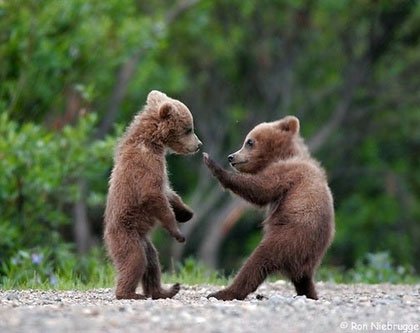
Your drills are your stories. Understand those stories. They have a narrative; if the narrative is broken you may come up with a better story. However, you are more likely to wind up with the three bears eating Goldilocks and then going to sleep congratulating themselves on defending their home from a serious threat and believing they don’t have to be afraid of humans because they have learned how to deal with them. A real fable.

In Memory of Anthony Mirakian Sensei

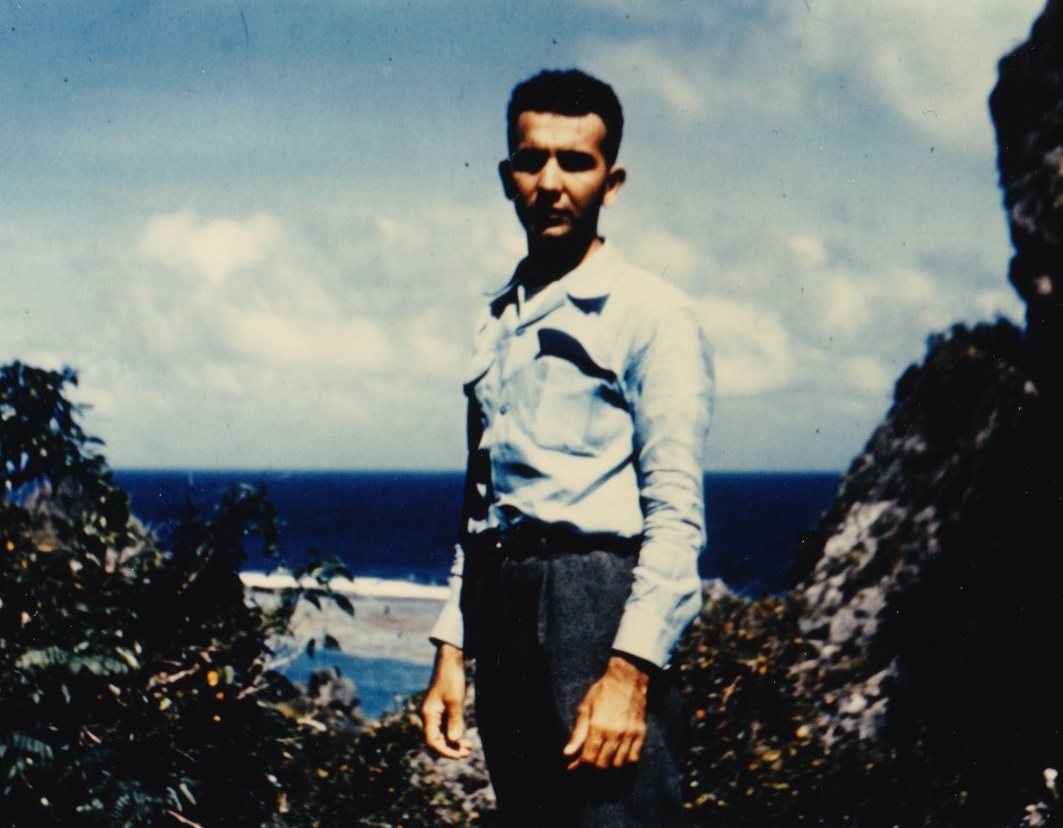
Two weeks ago Anthony Mirakian sensei passed away. After he died it occurred to me that he has been a near-constant presence in my practice almost from the beginning, and I have been at a loss for what to say. For those of you that read this blog you will know that the relationships that develop through our practice are more important to me than who is tougher or who is higher rank. We are people first, martial artists second. But one of the good things about our practice is that it can bring people together. For me, Mirakian sensei was one of those people. The details of his personal history I’ll leave to others, his direct students perhaps. For me, this is not hagiography but a way to say good bye.

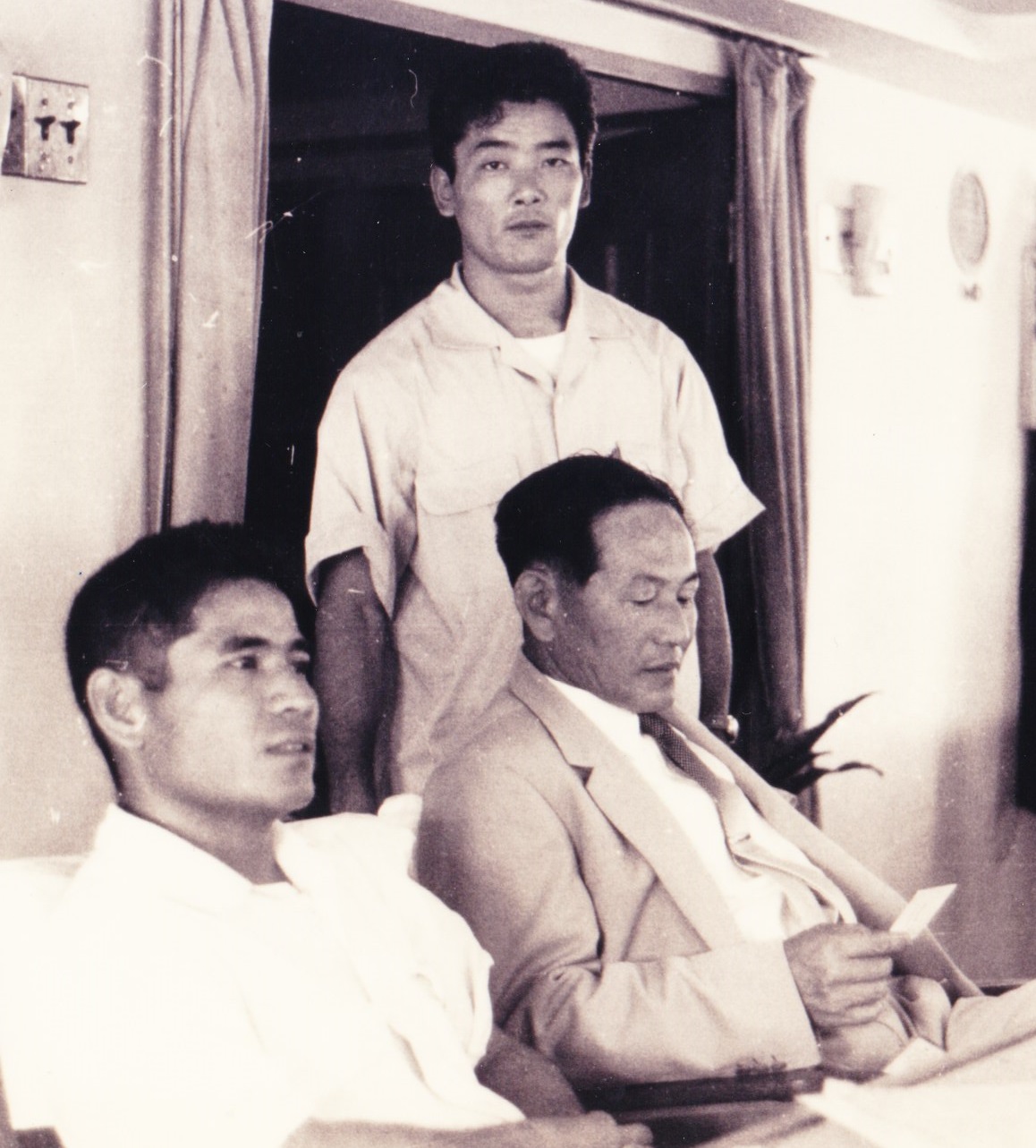
Anthony Mirakain Sensei, Okinawa, late 1950s

I first met Mirakian sensei in 1987. I went to his dojo in Watertown with Kimo Wall sensei. They had known each other since the 1960s. That visit was the start of a relationship that lasted until Mirakian sensei passed away. While he was never my teacher, over the time I knew him he taught me a great deal about our Goju Ryu, how to train, and how to comport myself as a martial artist. He had been in Watertown since 1960, like the rock of Gibraltar as he put it. I passed in and out of the area over the next 5 years or so, and for some reason he kept intersecting with my training.

I visited his dojo in the spring of 1990. A few months later, in August, I was in Okinawa, down from my new home in Amami Oshima visiting Matayoshi sensei for the weekend. While walking down Kokusai Dori I looked across the street and to my surprise I saw faces I recognized- Mirakian sensei and a few of his students. We talked and had lunch and I got to hear a few more of his wonderful stories from training in the 50s. His happiness at being back in Okinawa, deep respect for his teacher, and the attitude of the group of students he brought all made an impression on me; it was one of those moments when you learn something that might not sink in for a while.

Mirakian sensei and students, upstairs in Heiwa dori, 1990

It turns out though that it is a small big world. A few weeks later I went to Sakai Ryugo sensei’s dojo in Kagoshima for the first time. While being shown around the dojo I saw a photo from 1958 or so. In it Sakai sensei was standing next to someone I thought I recognized. Sakai said, “that is Anthony Mirakian, an American. We trained with Toguchi sensei together.” “I know him,” I replied. “I was in his dojo a few months ago, and just saw him in Okinawa.” There was shocked silence. Sakai had fond memories of him, but had not seen him in over 30 years. Eventually I put the two in contact and they exchanged greetings. They were both happy about it after so long.

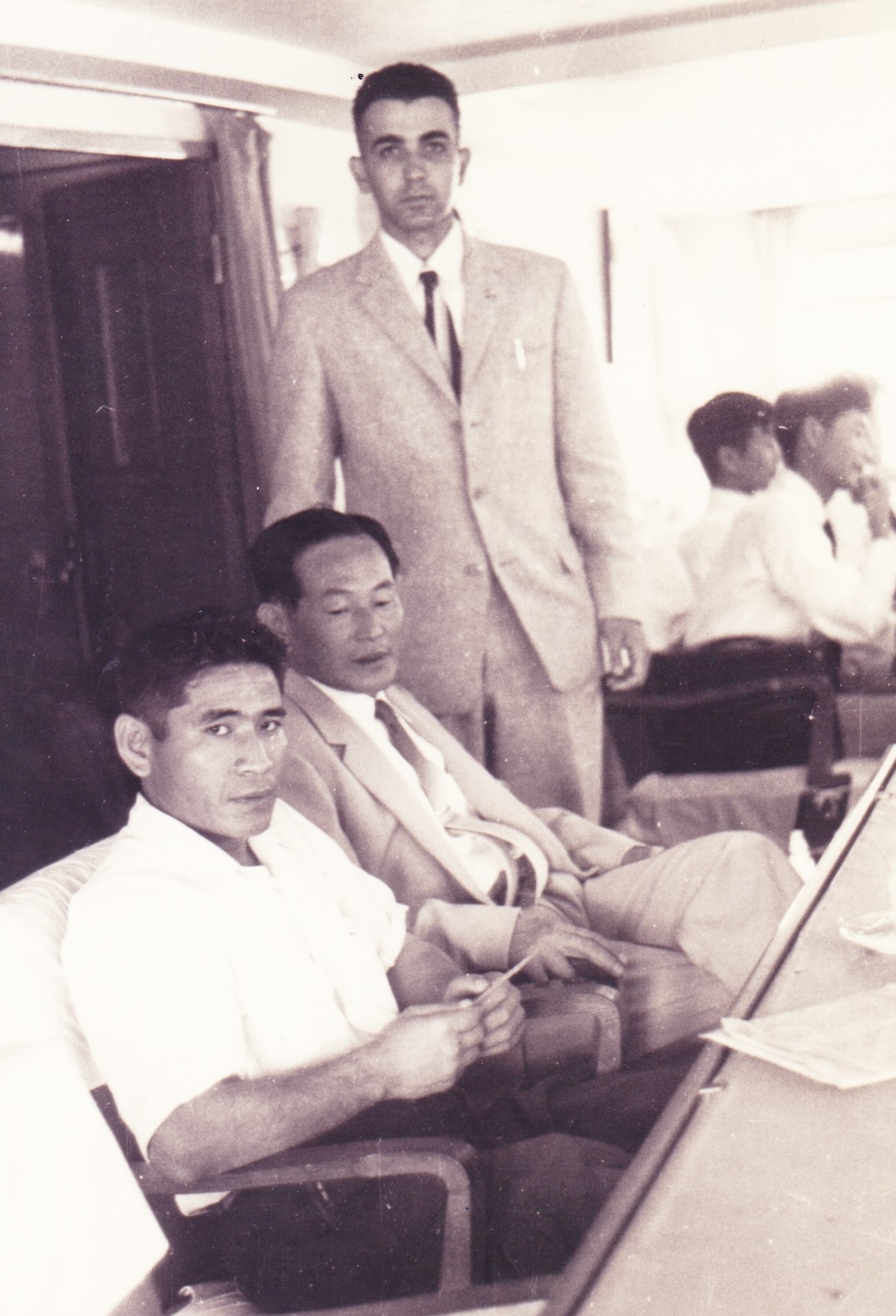
Mirakian sensei with Yagi Meitoku sensei and other Goju practitioners on a trip to Tokyo, Beppu, and around Japan in the late 1950s.

Sakai Ryugo sensei and Yagi sensei on the same trip.

But that is part of the practice. You develop relationships that have strength because you share something- effort, sweat, blood, time, all these, and more. They stay with you. When I got back to the states a few years later I saw Mirakian sensei again. I assisted Kimo sensei in a kobudo seminar at his dojo and afterwards we had a meal. I updated him on Sakai sensei and his family and he shared some great stories of Sakai in the 50s, when they both were young. It was a fun day, and I was glad for the break in what was at the time a grueling grad school schedule. But to my surprise it was not to be a one-off. After I left Mirakian sensei and Kimo sensei arranged for me to come to Mirakian’s dojo regularly and teach kobudo to any of his students that were interested.

To say I was nervous is an understatement. Mirakian sensei’s dojo had been there since before I was born. Kimo sensei referred to him as his sempai, and I got a careful lecture about how to comport myself in his dojo. I also got a lecture from Mirakian sensei about how he had never allowed anyone not from Meibukan to teach anything other than a seminar in his dojo. So yes, I was nervous. For the first few months Mirakian sensei sat there and watched every training. We would share some stories afterwards, which was always interesting, and he was very complimentary of my teaching. But a few months in we started pair work. That night he started telling me some stories of Taira Shinken- how he had trained with him a little but passed on the opportunity to learn kobudo from him because he wanted to focus on his Meibukan Goju Ryu. (Years later my friend Mario would be horrified by this story!) But then he turned to me and asked if he could join us for paired work. I was shocked, and my nervousness hit new heights. But what sunk in that night, and the nights following, was that he was serious. In his dojo, well and truly my senior, he asked and would have accepted a well-reasoned no as an answer. He had made his decision about me teaching after watching a while and part of his ethos was trust- the teacher is in charge of his class. That was just how it was. A lesson in both humility and martial ethics that again took me a while to grasp. But the next part was the best. He got out on the floor and spent most of the time we were doing paired work asking for corrections and smiling. He was just enjoying the act of training. Forty years in and it was fun for him. That lesson sank in immediately, and it is one I keep with me.

Over the next few years we occasionally spent time outside the dojo together. In some ways I think he saw a kindred spirit in me- someone working to walk a path he was much further down. I remember his wife telling my wife that she was also a “karate widow” and them both laughing at our incessant karate talk. He shared some things he had picked up along the way- options for movements in sepai he learned from Yagi sensei, a version of sanseru he learned from Kyoda Juhatsu- and in return listened to my stories and enjoyed a little kobudo practice. I also remember a long terrible evening that was supposed to include old video of Higa Seiko he thought he had but instead devolved into a 3 hour diatribe about Peter Urban. We are all human… But through it all his passion for his art remained obvious, and infectious. A lesson in constancy, and in joy.

At a dinner for Mirakian sensei’s birthday.

I didn’t talk to Mirakian sensei for a while after the kobudo sessions stopped, but it seems inevitable we would spend some more time in the dojo together. In 2007 Liu sifu started coming back to the states and he wanted to see Mirakian sensei again (he had visited the dojo with us in 1997). I helped set up a seminar at the Meibukan dojo in 2009. The next year after the seminar Mirakian sensei asked me if I would be willing to teach in his dojo again, to work with his students on the Feeding Crane. I said yes, and that has turned into a relationship I continue to value.

Over the years Mirakian sensei shared many stories of training in Okinawa. He also shared photos, and one thing I kept noticing in them was who was sitting or training together. Yagi, Toguchi, Higa, and their students, sharing sweat and beer, travel and training. And more, photos of him with Uechi, Shorin, and kobudo masters, all hanging out together and sharing. That spirit seems to be mostly lost on Okinawa today, and certainly seems rare here. The different groups tend to stick to themselves, and sometimes even put each other down. I feel perhaps their founders would be disappointed. Of course karate is about the training, but we are people first. What type of karate-ka treats another human being with disdain? That is not karate, karate begins and ends with courtesy.

Me with Mirakian sensei and two of his senior students, Hing Poon Chan sensei and Paul Zarzour sensei.

That was another lesson Mirakian sensei helped teach me. By sharing his space, inviting me to run classes and train together with his students, he was demonstrating that open spirit. He saw benefit in our groups training together, and in learning something new. To be honest I am honored he saw something in me he was willing to trust his students to. He could just as easily have sat back and said “hey, I have been here since 1960. I know what I am teaching and I don’t need to disrupt the Meibukan I have dedicated my life to with a young teacher of a different art.” And he would have been right, he didn’t need to. But he saw a benefit in opening up his dojo to us. I know I have benefited greatly from the time there and from training with his students, a dedicated and generous group and a credit to their teacher. People that I am proud to call friends, students, and training partners. I would like to hope everyone else who shares our training has gained from it as well.

After a Feeding Crane seminar in Mirakian sensei’s dojo, 2011.

And that is the most important lesson Mirakian sensei shared with me. Community. A few years ago his dojo celebrated his 50th anniversary of teaching in Watertown. Fifty years. Looking around the room I saw faces I was familiar with, some from as far back as 1987. Mirakain sensei had active students who started training in the 60s. Highly skilled students who display an unusual level of loyalty and friendship along with their skill. I don’t know how one would measure a teacher, but someone that can bring together a community like that and have it last that long has done something right. To add to that a continued openness, even after five decades, is even more impressive.

This post is a little long, but for those of you who knew Mirakian sensei you will understand why I think that is fitting. It is sad to see him go. I will miss Mirakian sensei, his stories, and his willingness to share what he knew. I considered him a friend, and I will simply miss that friendship. But I also hope to keep the spirit he showed in asking us to train together alive. Our shared practice is important to me, for a host of reasons. It is part of an older approach to the Okinawan martial arts, and while not everything older is better this part certainly is. Meibukan, Kodokan, Goju Ryu, Kobudo, Feeding Crane, it does not really matter, as my friend showed me. Training and helping each other improve does. The martial arts are for self-preservation, for keeping one alive. And when is a human being more alive than when growing and sharing with friends?